
The Complete Guide to Self-Riding the Ha Giang Loop (With Routes, Tips & Hidden Gems)
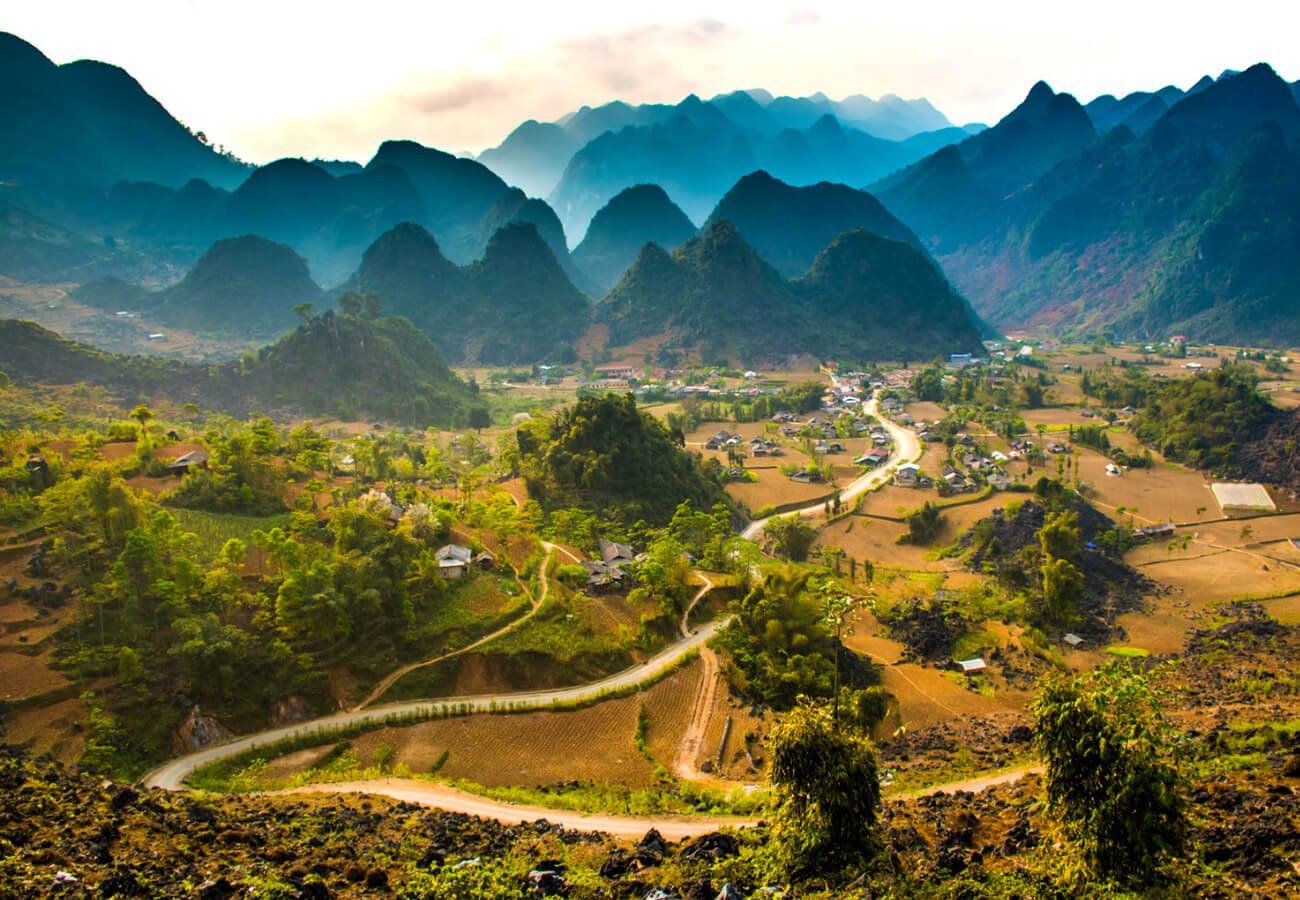
The Ha Giang Loop is Vietnam’s most breathtaking motorbike adventure — a 400-kilometer journey through cloud-kissed passes, limestone peaks, and ancient ethnic villages.
For many travelers, doing it by themselves feels like the ultimate freedom. But the truth is — self-riding the Ha Giang Loop requires planning, skill, and awareness.
This detailed guide from Ha Giang Loopers covers everything you need to know: from licences and IDPs to itineraries, secret spots, and local tips that most blogs miss.
1. Can you self-ride the Ha Giang Loop?
Yes — but it’s not for beginners. The roads are beautiful yet demanding, filled with blind corners, steep ascents, and unpredictable weather.
If you’re new to mountain riding, it’s safer to join an easy rider tour with Ha Giang Loopers, where experienced local drivers handle the road while you focus on enjoying the view.
2. The legal must-know: licence & IDP requirements
To ride legally in Vietnam, you need:
-
A motorbike licence from your home country, and
-
An International Driving Permit (IDP) issued under the 1968 Vienna Convention, with the motorcycle category (A) shown.
⚠️ Only the 1968 version is recognized in Vietnam.
The 1949 IDP (from the US or Australia) is not valid here.
Without these, you’re technically riding illegally — and at risk of a fine up to 5,000,000 VND (≈ 200 USD) or even bike confiscation.
3. The classic 4-day Ha Giang Loop itinerary
This is the most popular and manageable route for most riders.
🏁 Day 1: Ha Giang → Yen Minh (100 km)
-
Stop at Quan Ba Heaven Gate and the Twin Mountains.
-
Lunch in Tam Son town.
-
Overnight in Yen Minh valley.
🏔 Day 2: Yen Minh → Dong Van (90 km)
-
Ride the famous Tham Ma Pass.
-
Visit the Hmong King’s Palace and Lung Cam Cultural Village (filming site of Story of Pao).
-
Stay overnight in Dong Van Old Quarter.
🏞 Day 3: Dong Van → Meo Vac → Du Gia (120 km)
-
Conquer Ma Pi Leng Pass, Vietnam’s most dramatic road.
-
Take the Sky Path hike for bird-eye views of Nho Que River.
-
Ride through Meo Vac Valley to peaceful Du Gia Village.
🌾 Day 4: Du Gia → Ha Giang City (100 km)
-
Visit Du Gia Waterfall.
-
Enjoy the scenic ride back through bamboo forests and remote hamlets.
4. Hidden gems — alternative routes for adventurers
If you have extra days or want fewer crowds, add these lesser-known spots:
Lung Cu Flag Tower 🇻🇳
The northernmost point of Vietnam, offering stunning views of China’s border valleys.
Ma Le Village
A quiet Hmong community near Dong Van with beautiful stone fences and local markets.
Sung La Valley
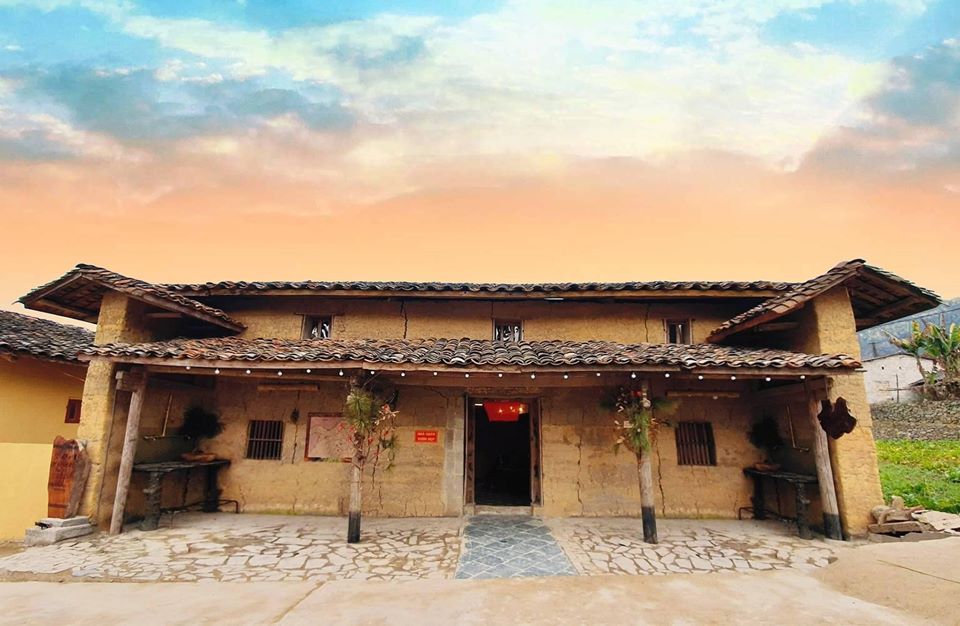
Known as the “valley of roses,” filled with traditional mud houses and cornfields.
Duong Thuong Pass & Sam Pun Border Gate
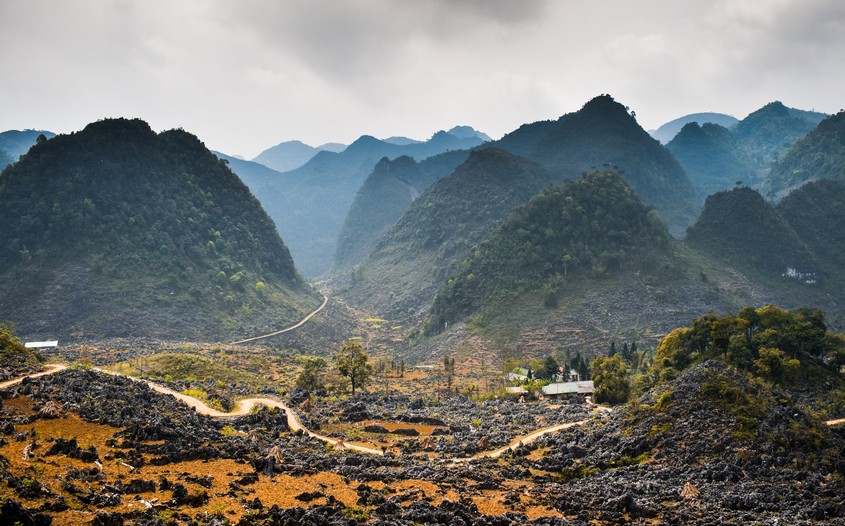
An off-the-map route toward Xin Man — wilder, quieter, and perfect for skilled riders.
Lung Ho and Duong Thuong Villages
Great detours between Du Gia and Ha Giang — terraced rice fields, no traffic, no tourists.
5. Extended 5-Day Loop Itinerary (For Slow Travelers)
If you prefer a more relaxed pace with time for photos and homestays, try this:
Day 1: Ha Giang → Quan Ba → Yen Minh
Day 2: Yen Minh → Lung Cu → Dong Van
Day 3: Dong Van → Ma Pi Leng Pass → Meo Vac
Day 4: Meo Vac → Du Gia
Day 5: Du Gia → Ha Giang
Optional: add a sixth day for Xin Man or Hoang Su Phi, known for spectacular rice terraces (best in September).
6. Where to stay
Stay in local homestays — it’s safer, more authentic, and supports local families.
7. Logistics: fuel, food & essentials
-
Fuel: Fill up at every major town (Quan Ba, Yen Minh, Dong Van, Meo Vac).
-
Cash: Bring 2–3 million VND — ATMs are rare beyond Ha Giang City.
-
Phone signal: Viettel works best; download offline maps in advance.
-
Packing list:
-
Raincoat or poncho
-
Gloves, long sleeves, sunscreen
-
Waterproof bags for camera gear
-
Earplugs for windy rides
-
-
Weather:
-
Best months: March – May and September – November
-
Avoid: July – August (heavy rain, landslides)
-
8. Safety & responsible travel
-
Always wear a real helmet — not a rental shop toy.
-
Don’t drink and ride — alcohol checks are common.
-
Ride slow on curves; locals often drive in the middle of the road.
-
Never overtake on blind corners.
-
Avoid riding after 5 PM — fog arrives fast.
Ha Giang Loopers provides high-quality helmets, gloves, and protective jackets for all tours — and strictly no alcohol for riders.
9. Why Ha Giang Loopers is the best choice
Many cheap tours rent bikes to unlicensed tourists, skip helmets, and drink while riding — putting everyone at risk.
Ha Giang Loopers does the opposite:
✅ Fully licensed local drivers and guides
✅ Small groups (max 6) for a personalized journey
✅ Safe, comfortable bikes in top condition
✅ 100% locally owned — profits stay in Ha Giang
✅ Female-founded and supporting women’s livelihoods
When you ride with Ha Giang Loopers, you travel responsibly, safely, and with locals who know every curve and culture of the region.
The Bottom Line
Self-riding the Ha Giang Loop can be the adventure of a lifetime — but only if you’re well-prepared and fully licensed.
For most travelers, joining Ha Giang Loopers means enjoying the same thrill — minus the risk, the fines, and the stress.
Explore deeper, connect locally, and see Ha Giang the way it’s meant to be — authentic, responsible, and unforgettable.


