
Self-Riding the Ha Giang Loop: Legal Requirements, Skills, Bikes, Costs & Routes
Self-riding the Ha Giang Loop can be one of the most rewarding motorbike experiences in Vietnam. It gives riders independence, flexibility, and a strong sense of achievement. But the Loop is not simply a scenic scooter ride. It is a multi-day mountain route with legal requirements, police checkpoints, steep roads, long descents, remote areas, changing weather, and real responsibility.
This guide is designed to be objective. It does not say that everyone must take a tour, and it does not say that everyone should self-ride. The right choice depends on your legal documents, riding experience, mental readiness, bike choice, budget, route plan, and personal risk tolerance.
Quick navigation
Quick answer: should you self-ride the Ha Giang Loop?
Self-riding makes sense if you are legally allowed to ride in Vietnam, already have real motorbike experience, understand mountain road risks, and are comfortable handling breakdowns, weather changes, navigation, police checks, and long riding days.
Self-riding does not make sense if you are a beginner, do not have the correct motorcycle licence and IDP 1968, are uncomfortable with steep descents, plan to ride after drinking, want to focus mainly on photography, or are choosing self-ride only because it looks cheaper.
- Best self-ride candidate: a legally licensed rider with real manual or semi-automatic motorbike experience.
- Risky self-ride candidate: a confident traveler with little mountain riding experience.
- Better alternative: Easy Rider, car, or jeep if legality, confidence, or safety is uncertain.
1. Legal requirements and police checkpoints
Before choosing a bike or planning the route, start with the legal question. To ride a motorbike legally in Vietnam, foreign riders normally need a valid motorcycle licence from their home country and an International Driving Permit that is accepted in Vietnam, with the motorcycle category included.
IDP 1968 is the key document to check
Vietnam recognizes the International Driving Permit framework connected to the 1968 Vienna Convention. For travelers, the practical point is simple: check whether your International Driving Permit is the correct IDP 1968 version and whether it clearly includes the motorcycle category.
A car licence alone is not the same as a motorcycle licence. An IDP without a motorcycle category is not enough for riding a motorbike. A document sold online as an “international licence” may also not be legally accepted.
No valid IDP 1968: the consequences can be serious
Riding without the correct motorcycle licence and IDP 1968 is not just a small paperwork problem. In Ha Giang, riders without the correct documents may face a fine of around 5,000,000 VND, possible motorbike confiscation, being stopped from continuing, and exposure to full legal consequences if an accident happens.
- Fine risk: commonly around 5,000,000 VND, depending on the vehicle, document situation, and current enforcement.
- Confiscation / stopped ride risk: the bike may be held, or you may not be allowed to continue riding.
- Insurance risk: if you ride illegally, travel insurance or motorcycle insurance may refuse to cover injury, bike damage, evacuation, or third-party claims.
- Legal risk: if you injure someone, damage property, or cause a serious crash, the problem is no longer only a traffic fine.
Important note about IDP 1968 availability
From our experience, many guests from North America, India, Australia, and some other countries have difficulty obtaining the correct IDP 1968. Please double check the rule in your own country before planning to self-ride the Ha Giang Loop.
If you need support or are unsure about your documents, please do not hesitate to contact us.
Contact us on WhatsAppPolice checkpoints on the Ha Giang Loop are not unusual. Officers may check licences, IDP documents, helmets, alcohol, and general road safety. This is partly because the route attracts many foreign visitors, including some who rent bikes without the experience or documents required to ride legally.
Difficulty point: legal risk is not only a fine
Riding without the correct documents can lead to fines, being stopped from continuing, bike confiscation or complications, and serious insurance problems if an accident happens. Even if you are physically capable of riding, the legal side still matters.
Compare with the Easy Rider optionWhy police are strict on the Ha Giang Loop
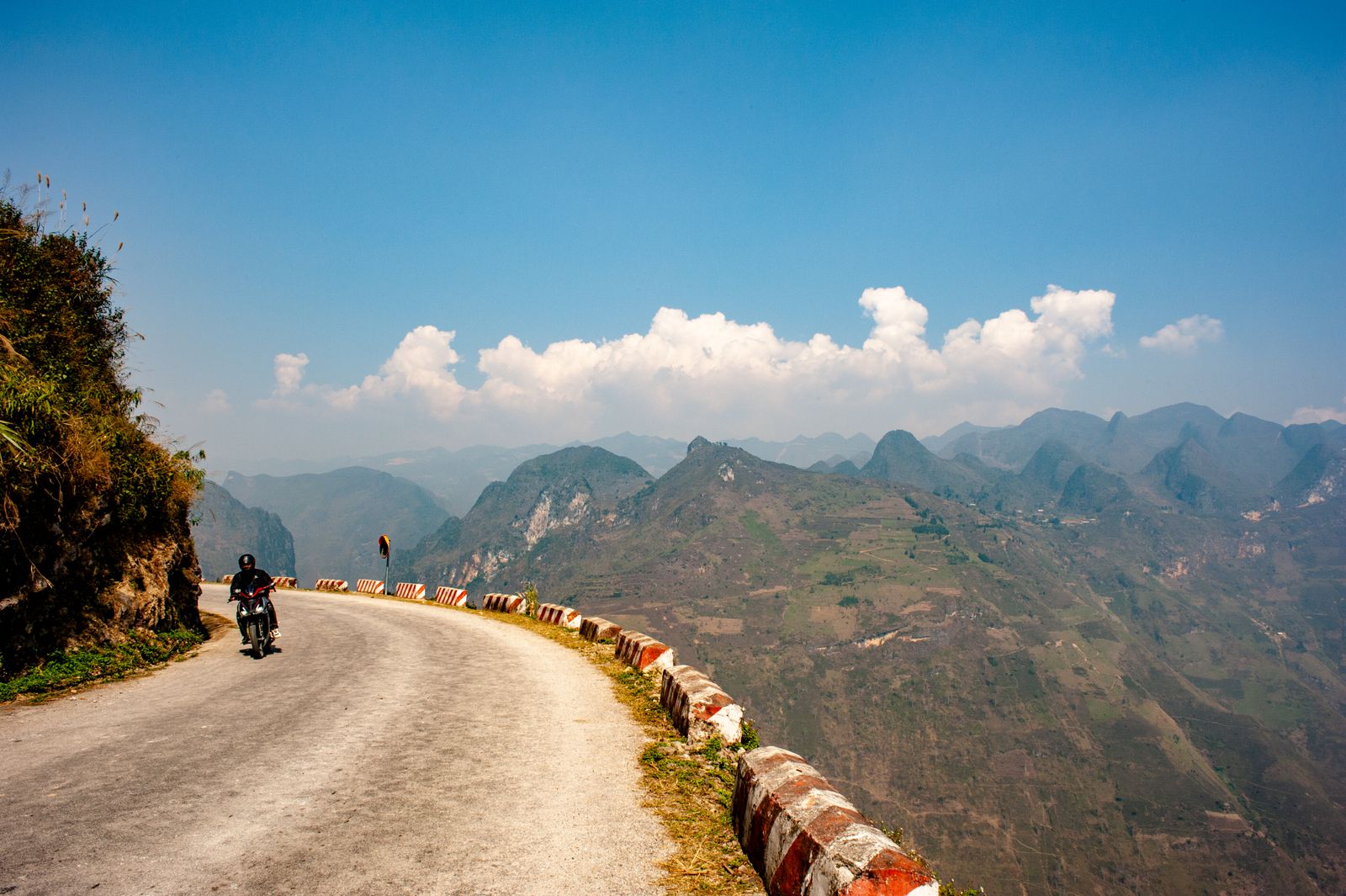
The police are strict because the Ha Giang Loop is not a normal city road. It includes long climbs, long descents, tight bends, blind corners, local traffic, animals, trucks, gravel, mud, broken pavement, roadworks, fog, rain, and remote sections where rescue can take time.
Many visitors have ridden scooters in cities or beach towns and assume the Loop will be similar. It is not. A few minutes of practice in Ha Giang City does not prepare a beginner for multiple days of mountain riding.
Legal preparation before you arrive
Check your licence and IDP 1968 situation before traveling to Ha Giang. Do not wait until the morning of the Loop. Bring your physical licence, IDP, passport or passport copy, and rental paperwork. Rules and enforcement can change, so confirm current requirements before riding.
2. Skills required for self-riding
The Ha Giang Loop is not an advanced race route, but it is not a beginner training route either. Most roads are paved, but riders may still face broken pavement, gravel, wet corners, mud, steep slopes, construction areas, and sudden obstacles.
The most important riding skill is not speed. It is control. You need to ride slowly and predictably, brake before corners, use engine braking on descents, choose safe lines, leave space from other riders, and avoid pressure from faster groups.
Minimum practical skills
- Starting, stopping, balancing, and turning confidently
- Using front and rear brakes smoothly
- Riding slowly without wobbling
- Controlling the bike on steep hills
- Understanding engine braking
- Riding in rain or wet conditions
- Overtaking only when visibility is clear
Skills that matter in Ha Giang
- Reading blind corners
- Expecting trucks in your lane
- Keeping distance from group riders
- Avoiding gravel at the edge of bends
- Handling animals or children near the road
- Staying calm when weather changes
- Knowing when to stop and rest
Difficulty point: city scooter experience is not enough
Riding a scooter in Hanoi, Da Nang, Hoi An, or on an island does not automatically prepare you for steep mountain descents and repeated hairpin turns. If your experience is mostly flat roads and short rides, treat the Loop seriously.
Compare with the Easy Rider optionA useful rule is this: if you are nervous about the bike in a flat parking area, you should not use the Ha Giang Loop as your practice course. If you are confident only when the weather is perfect, remember that mountain weather can change quickly.
3. Mental readiness: patience, focus, and fatigue
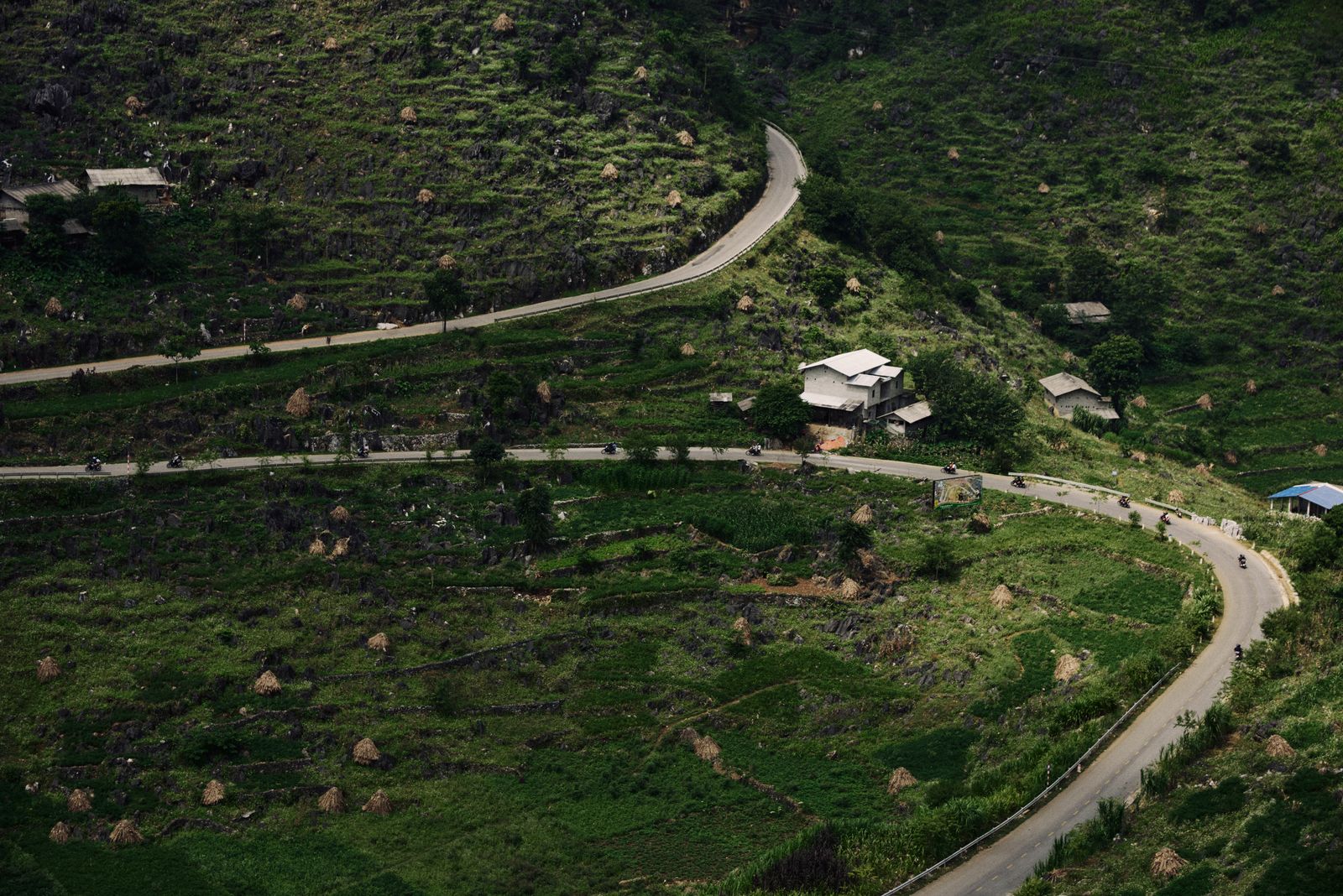
Self-riding is not only a physical skill. It is also mental. On the Ha Giang Loop, you must concentrate for hours at a time. You cannot fully relax into the scenery because part of your attention must always stay on the road, the next corner, the surface, the traffic, and your speed.
The first hour may feel easy. The first day may feel exciting. But after several days, tired hands, sore shoulders, sun exposure, cold wind, rain, poor sleep, and group pressure can reduce judgment.
Ride within your ability, not your confidence
Confidence is useful, but overconfidence is one of the biggest risks on the Loop. A rider who accepts their limits usually rides more safely than a rider trying to prove something. Ha Giang rewards patience far more than speed.
Difficulty point: fatigue changes your decisions
On Day 3 or Day 4, you may not react the same way you did on Day 1. Fatigue makes riders brake late, follow too closely, rush corners, or ignore bad weather. Plan shorter days if needed and stop before you feel exhausted.
Compare with the Easy Rider optionAlcohol and self-riding
Do not drink before or during self-riding. Homestays may offer local corn wine or “happy water” in the evening, but the next riding day still requires a clear head. If you cannot separate the social part of the trip from the riding responsibility, self-riding is not the right choice.
4. Logistics and hidden costs
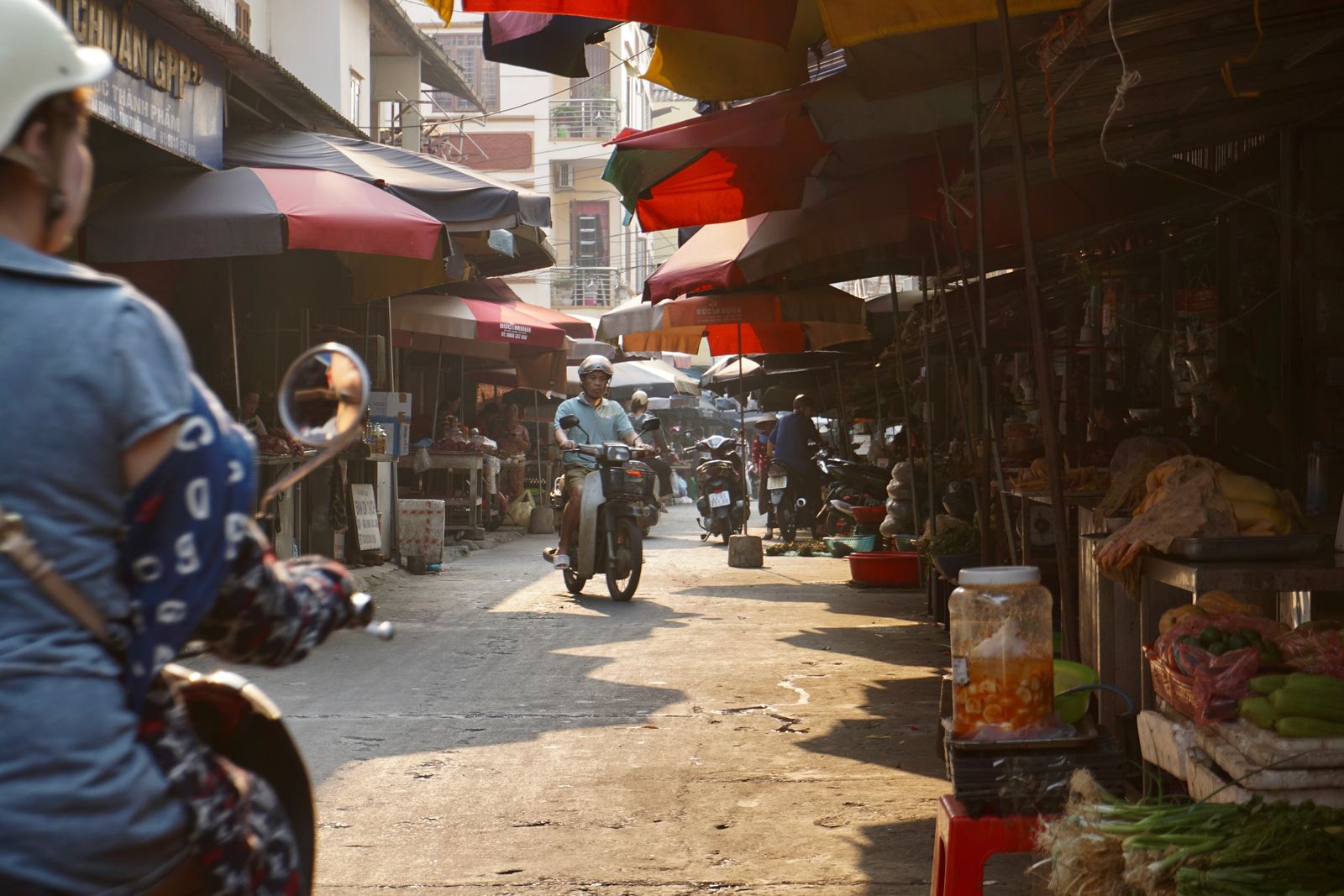
Self-riding can look cheaper than joining an organized tour because the first visible cost is often only motorbike rental. But the real cost includes more than the bike. You need to think about fuel, accommodation, meals, permits, repairs, damage liability, insurance, weather gear, route planning, and lost time if something goes wrong.
The point is not that self-riding is always expensive. It can still be budget-friendly. The point is that a low rental price is not the full trip price.
| Cost or responsibility | Why it matters | Self-ride note |
|---|---|---|
| Motorbike rental | Bike quality directly affects safety and comfort. | Cheap rentals may mean older brakes, tires, suspension, or weak maintenance. |
| Fuel | The Loop covers long mountain distances. | Usually affordable, but you must plan fuel stops in rural areas. |
| Bike damage | Small drops can damage mirrors, panels, levers, or lights. | Photograph the bike before departure and understand the damage policy. |
| Travel insurance | Medical costs and evacuation can be serious. | If you ride illegally without the correct licence and IDP, insurance may refuse cover. |
| Accommodation | Popular stops can fill up in peak season. | Book ahead or arrive early, especially in Dong Van, Meo Vac, and Du Gia. |
| Meals and drinks | Remote areas have fewer choices. | Carry cash and do not expect card payment everywhere. |
| Border permit | Some areas are close to the Chinese border. | Confirm whether you need a permit for your route before leaving Ha Giang. |
| Time cost | Wrong turns, rain, repairs, and fatigue slow the trip. | Do not build an itinerary with no buffer. |
Difficulty point: the cheapest option can become expensive
A very cheap bike is not a bargain if the brakes are weak, the tires are poor, or the bike breaks down far from town. Damage disputes, repairs, delays, fines, confiscation risk, and medical risk can remove the savings quickly.
Compare with the Easy Rider optionPractical logistics checklist
- Carry enough cash in Vietnamese dong.
- Keep your passport or passport copy accessible.
- Save offline maps before leaving Ha Giang City.
- Check the weather each morning, but expect it to change.
- Photograph every side of the bike before departure.
- Test both brakes, lights, horn, throttle, tires, and mirrors.
- Confirm who pays for repairs if the bike breaks down.
- Confirm the damage insurance or deposit rules in writing.
- Bring rain protection and warm layers, even in warmer months.
- Do not carry a large backpack on your shoulders while riding.
5. Which motorbike should you choose?
There is no single perfect bike for the Ha Giang Loop. The best bike depends on your licence, riding experience, height, passenger situation, budget, and comfort needs. The smartest choice is usually not the fastest bike. It is the bike that helps you stay controlled, comfortable, and calm for several days.

Honda Blade 110 / similar semi-automatic
Lightweight Forgiving Common choiceA semi-automatic underbone such as a Honda Blade 110 is a common choice because it is light, simple, easy to repair, and manageable for many riders. It is not powerful, but power is not the main requirement for most first-time Loop riders.
Best for cautious riders with some experience, solo riders, and people who value easy handling over speed. Less ideal for heavy loads, two people, or riders who want stronger suspension and engine braking.
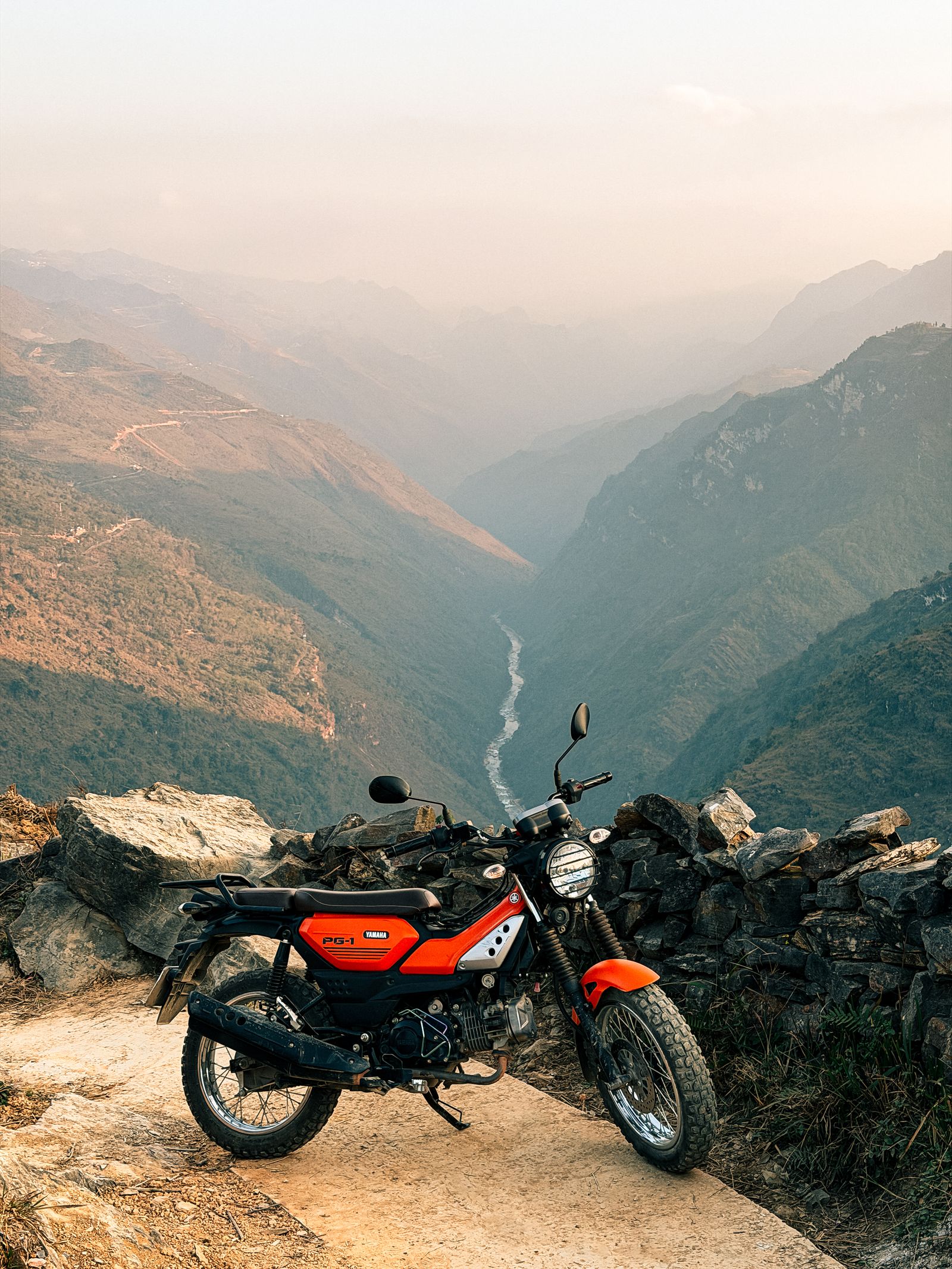
Yamaha PG-1
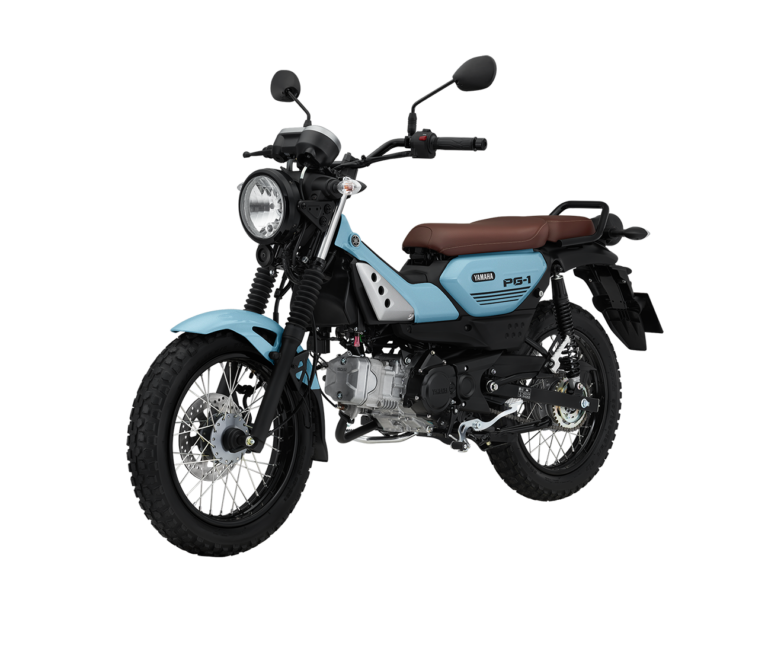
Stylish Relaxed pace Light adventure styleThe Yamaha PG-1 is popular because of its retro-adventure look and relaxed riding style. It can be enjoyable for slower exploration, but it is not automatically a major performance upgrade over a standard semi-automatic bike.
Best for riders who like the style and plan to ride calmly. Less ideal if you want maximum practicality, common parts availability, or simple luggage setup.

Yamaha Exciter 150 / Honda Winner X
Manual Sportier Experienced ridersSporty underbone bikes offer stronger acceleration, better overtaking ability, and a more engaging manual ride. But they can also encourage riders to go too fast, and the passenger seat is usually less comfortable over long days.
Best for experienced solo riders who already understand manual motorcycles. Less ideal for beginners, couples, passengers, or anyone prioritizing comfort over performance.

Honda XR150L
Comfort Suspension ManualA Honda XR150L-style dual-sport bike gives a more upright position, better suspension, larger wheels, and stronger control on rough sections and descents. It is often more comfortable over several days, especially for riders who value stability.
Best for riders with real manual experience, taller riders, photographers, comfort-focused travelers, or two-person riding where suitable. Less ideal for short riders, nervous riders, or anyone unfamiliar with manual clutch control.

Yamaha WR155 / premium dual-sport
Advanced Tall seat EnthusiastA WR155-style bike is capable, stable, and enjoyable for experienced motorcyclists. For many travelers, however, it is more bike than they need. The taller seat and higher rental cost can make it a poor choice for beginners.
Best for experienced riders who already ride dual-sport or manual motorcycles. Less ideal for short riders, budget travelers, or first-time motorbike travelers.

Automatic scooters: Vision, Air Blade, Lead, or similar
Not recommended Limited engine braking City designAutomatic scooters such as the Honda Vision, Air Blade, Lead, or similar city scooters are not recommended for the classic multi-day Ha Giang Loop. The issue is not only engine size. The bigger issue is control on long descents, braking load, smaller wheels, limited suspension travel, and city-focused design.
Scooters rely heavily on their brakes when going downhill. On long mountain descents, constant braking can overheat components and reduce stopping power. Smaller wheels and shorter suspension also make potholes, gravel, broken pavement, and rough road sections less stable.
Difficulty point: bike choice cannot replace skill
A bigger or more expensive motorbike does not make an inexperienced rider safer. In some cases, it makes the trip harder. Choose the bike you can control when tired, wet, slow, and nervous — not the bike that looks best in photos.
Compare with the Easy Rider option6. Itinerary and route planning
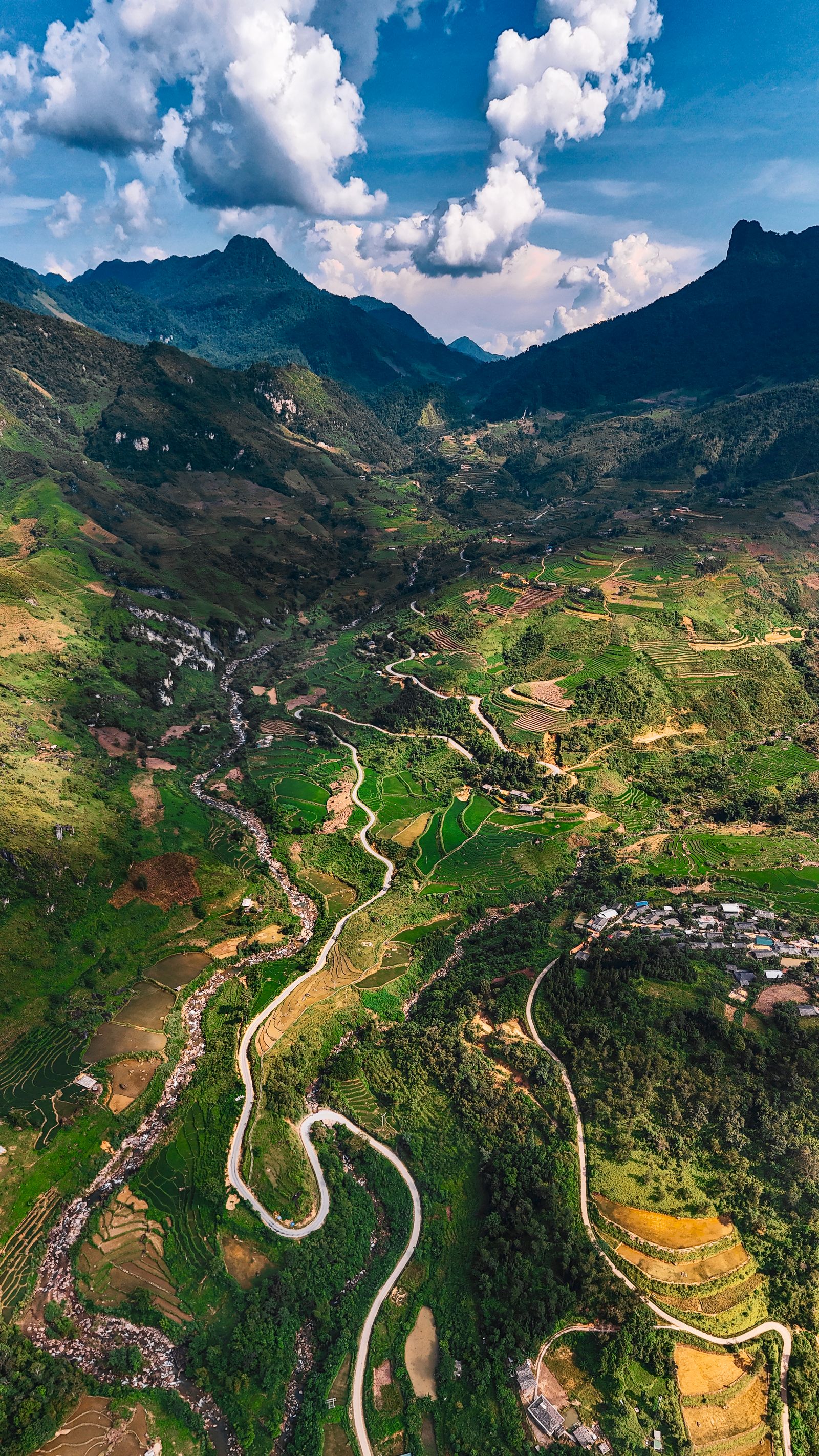
The classic Ha Giang Loop starts and ends in Ha Giang City. Common overnight stops include Yen Minh, Dong Van, Meo Vac, and Du Gia, depending on whether the route is planned for 2, 3, 4, or more days. The most important planning rule is simple: do not make the route too rushed for your ability.
A route that looks manageable on a map can feel much longer in real life because of mountain curves, weather, photo stops, slow trucks, roadworks, and fatigue. Google Maps time estimates are not a safety plan.
2 days / 1 night: possible, but rushed
A 2-day route can show some highlights, but it leaves little margin for bad weather, slow riding, mistakes, or meaningful stops. For self-riders, it can push people into riding too long or too fast.
3 days / 2 nights: classic shorter loop
A 3-day route usually includes major highlights such as Quan Ba, Yen Minh, Dong Van, Ma Pi Leng, Meo Vac, and a return toward Ha Giang. It can work for capable riders, but the pace still requires discipline.
4 days / 3 nights: better pace for most riders
A 4-day route gives more room for Du Gia, slower stops, weather changes, photography, and less pressure on each riding day. For many self-riders, this is the more balanced choice.
5 days or more: slower travel or extended routes
Longer routes can include more remote roads, deeper village stops, or extensions toward Cao Bang. These are better suited to experienced riders, travelers with flexible time, or people who prefer slower travel.
Difficulty point: the route changes with weather and roadworks
Rain, fog, landslides, road repairs, and fatigue can change a good plan quickly. Do not treat the itinerary as a fixed race. Leave early, arrive before dark, and be willing to shorten the day.
Compare with the Easy Rider option7. Why Easy Rider is worth considering
Easy Rider does not mean “less adventurous.” It simply means an experienced local rider handles the motorbike while you ride as a passenger. For many travelers, this is not a downgrade. It is a different way to experience the Loop.
The main advantage is attention. When you self-ride, part of your mind must always stay on the road. When you ride with an Easy Rider, you can focus more on scenery, photography, conversation, villages, weather, and the feeling of the landscape.
Self-ride is stronger when...
- You are legally licensed for motorcycles in Vietnam.
- You have the correct IDP 1968.
- You already ride manual or semi-automatic bikes confidently.
- You enjoy the physical act of riding.
- You can manage breakdowns and navigation.
- You accept responsibility for fines, damage, and riding decisions.
Easy Rider is stronger when...
- You do not have the correct motorcycle licence and IDP 1968.
- You are new to mountain roads.
- You want to focus on photography or scenery.
- You are tired, nervous, or traveling in bad weather.
- You prefer local road knowledge and less logistical work.
- You do not want to carry bike-damage responsibility yourself.
An Easy Rider is also useful when conditions are uncertain. Local riders know how the roads change after rain, where trucks often take wide turns, which sections become slippery, and when it is better to slow down or adjust the route. This local knowledge does not remove all risk, but it can reduce avoidable mistakes.
The honest comparison is not “self-ride good, Easy Rider bad” or the other way around. The right choice depends on legality, skill, risk tolerance, travel style, budget, and what kind of experience you want.
8. Self-ride decision checklist
Before choosing self-ride, answer these questions honestly. This is not about bravery. It is about matching the trip to your real ability.
- Do I have a valid motorcycle licence accepted for riding in Vietnam?
- Do I have the correct IDP 1968?
- Does my travel insurance cover motorbike riding in my situation?
- Do I understand that insurance may refuse cover if I ride illegally?
- Can I confidently control a bike on steep hills and tight corners?
- Do I understand engine braking?
- Have I ridden for several hours in one day before?
- Can I ride calmly in rain, fog, or poor road surfaces?
- Will I avoid alcohol before and during riding?
- Can I afford repair, damage, medical, legal, or fine costs if something happens?
- Am I choosing self-ride because I am qualified, not only because it seems cheaper?
Simple decision rule
If the legal answer is unclear, do not self-ride until it is clear. If the skill answer is unclear, do not use the Loop to find out. If the only reason to self-ride is saving money, calculate the full cost and risk first.
FAQ: self-riding the Ha Giang Loop
Can beginners self-ride the Ha Giang Loop?
It is not recommended. The route includes steep climbs, long descents, blind corners, changing weather, and remote sections. Beginners should consider an Easy Rider, car, jeep, or easier practice routes before attempting the Loop.
Do police check licences on the Ha Giang Loop?
Yes. Police checkpoints are common enough that self-riders should expect possible licence checks. Carry your valid motorcycle licence, correct IDP 1968, passport copy, and rental paperwork.
What happens if I ride without the correct IDP?
Without the correct licence and IDP 1968, you may face a fine around 5,000,000 VND, possible bike confiscation or being stopped from continuing, and exposure to all legal consequences if an accident happens. Insurance may also refuse to cover injury, bike damage, evacuation, or third-party claims if you were riding illegally.
Is an automatic scooter okay for the Ha Giang Loop?
For the classic multi-day Loop, automatic scooters such as a Honda Vision, Air Blade, Lead, or similar are generally discouraged. The main concerns are limited engine braking, smaller wheels, softer suspension, and heavy brake use on long mountain descents.
What is the best motorbike for most self-riders?
For many riders, a light semi-automatic bike such as a Honda Blade 110 is practical and forgiving. For experienced manual riders who want more comfort and stability, a Honda XR150L-style dual-sport can be a strong choice. The best bike is the one you can control safely for several days.
Is self-riding cheaper than Easy Rider?
It can be cheaper on paper, but only if everything goes smoothly. The full comparison should include bike rental, fuel, food, accommodation, permits, repairs, insurance, damage liability, fine risk, and the cost of mistakes or delays.
How many days are best for self-riding?
Three days can work for capable riders, but four days is usually more comfortable because it reduces time pressure and gives more room for weather, rest, and slower riding.
Further reading
These related guides explain specific topics in more detail:


