
Exploring the ethnic villages of Ha Giang offers an incredible opportunity to experience unique traditions and warm hospitality. However, respecting local customs is essential to ensure a meaningful and positive interaction for both travelers and the communities they visit. A thoughtful approach not only enriches your travel experience but also helps preserve the cultural identity of these ethnic groups. Here’s a comprehensive guide to the cultural dos and don’ts when visiting ethnic villages along the Ha Giang Loop.
Greetings and Communication
A warm smile and a respectful nod go a long way in establishing goodwill. Many ethnic groups, such as the H’Mong, Tay, and Dao, speak their own languages, but basic Vietnamese phrases like “Xin chào” (Hello) and “Cảm ơn” (Thank you) are always appreciated. If you wish to greet someone in their native dialect, ask a local guide for common phrases. Avoid raising your voice, as speaking loudly can be perceived as aggressive. Keeping a calm and friendly tone fosters positive interactions.
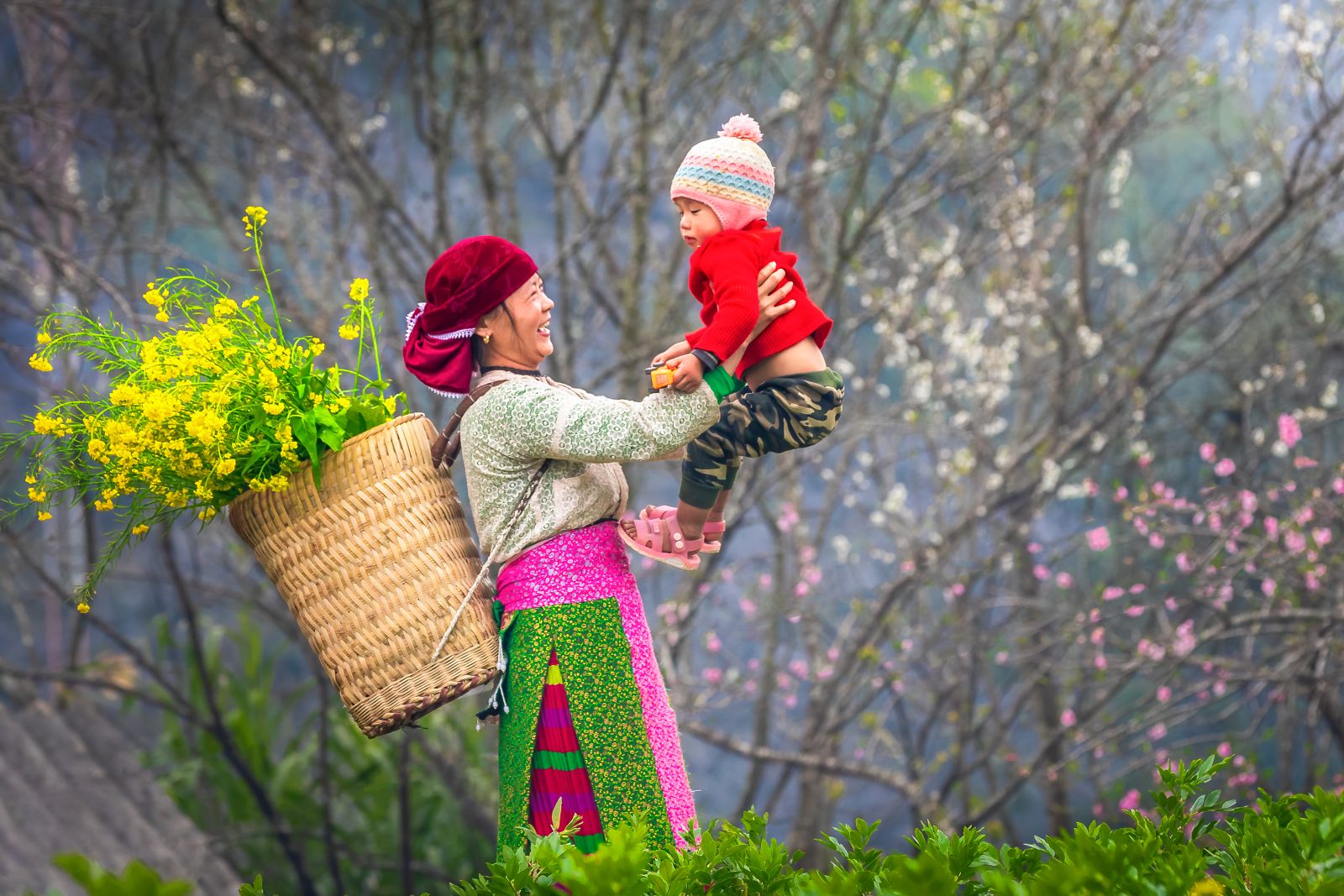
Body language also plays an important role in communication. Avoid prolonged eye contact, especially with elders, as it may be considered confrontational in some cultures. Instead, show deference by slightly bowing your head when greeting older individuals.
Dress Respectfully
Ethnic villages are deeply rooted in tradition, and modest dressing is expected. Avoid wearing revealing clothing like short shorts or tank tops. A simple T-shirt and long pants are ideal, and if visiting religious or sacred sites, consider covering your shoulders. Some communities place cultural significance on head coverings, so observing local attire can guide you on whether you should wear a hat or remove it. If invited into a home or temple, remove your shoes before entering as a sign of respect.
Photography Etiquette
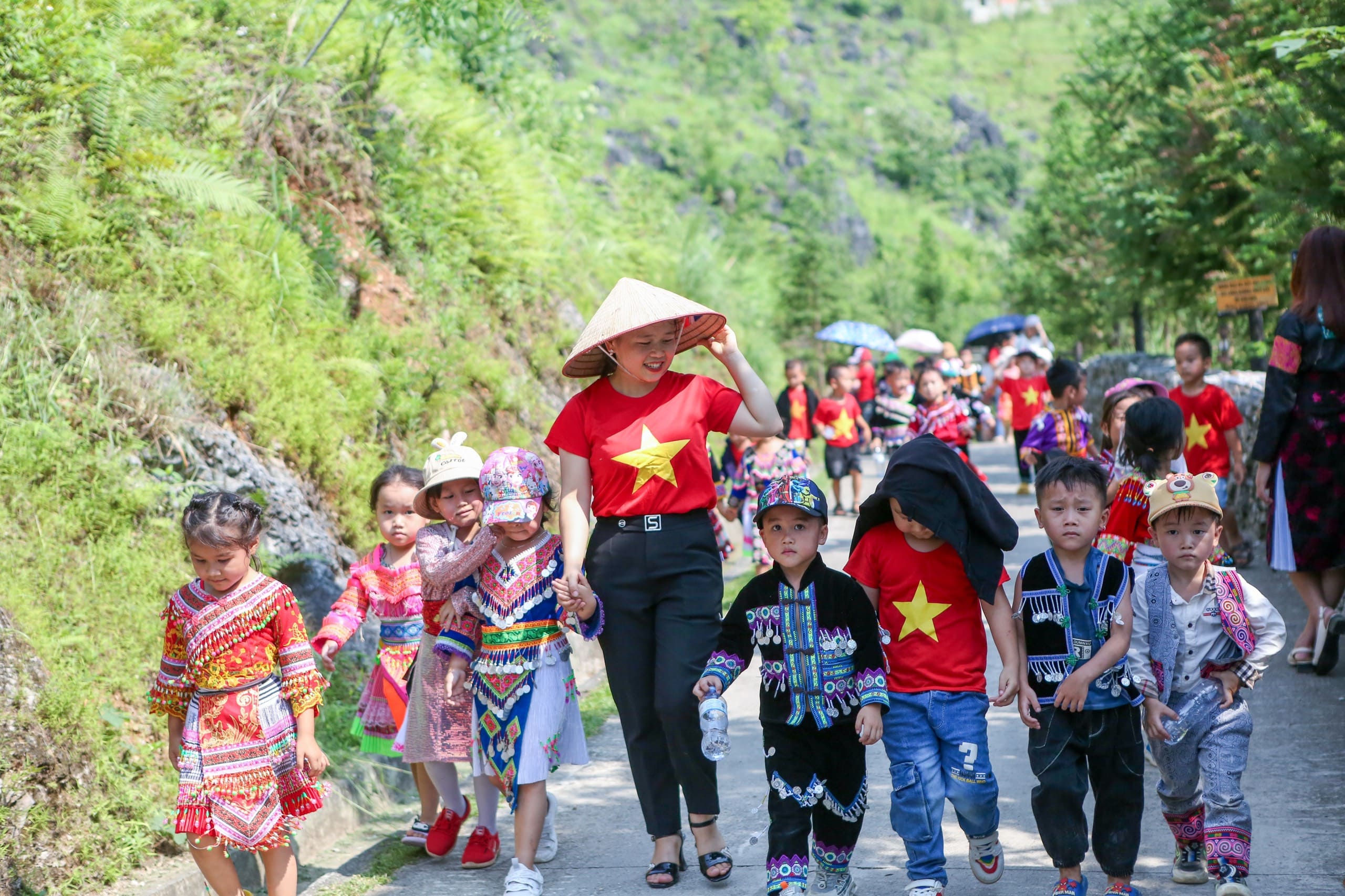
Always ask for permission before taking photos of people, especially elders. Many villagers are happy to be photographed but appreciate being asked first. In some cases, they may decline, and it’s important to respect their wishes. If allowed to take photos, showing them the picture can be a kind gesture and may even spark a friendly conversation.
Avoid taking intrusive or overly candid shots, particularly during religious or cultural ceremonies. Additionally, some sacred objects or sites should not be photographed, so it’s always best to inquire beforehand. Using a long zoom lens can help capture candid moments without being intrusive.
Visiting Homes and Markets
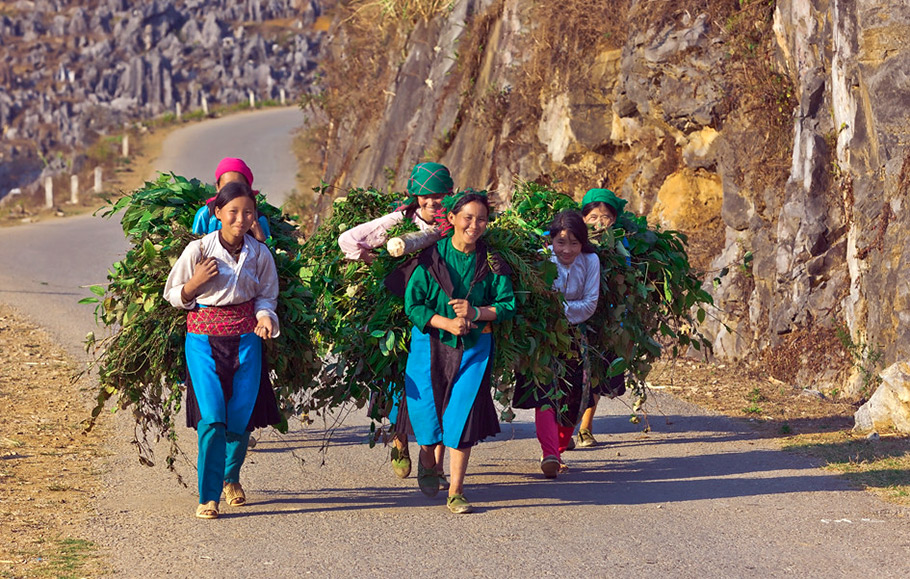
If invited into a home, accept the offer graciously but wait to be shown where to sit. Seating arrangements often follow a hierarchy, with elders and men seated first. Avoid pointing your feet directly at people or sacred objects, as this is considered disrespectful. When visiting local markets, bargaining is common but should be done with a friendly attitude rather than aggressive haggling.
Markets are also social hubs where different ethnic groups gather. Take time to observe interactions and appreciate the vibrant culture. Engage with vendors, ask about their crafts, and be patient if conversations take longer due to language differences.
Offering Gifts and Money
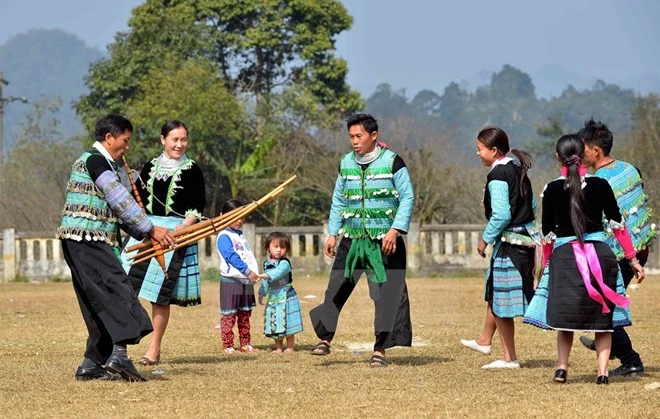
Handing out money, candy, or gifts to children can encourage begging, which is not culturally appropriate. Instead, support local communities by purchasing handmade crafts, textiles, or locally grown produce. If you wish to contribute, consider donating to community projects rather than giving directly to individuals. If offering a gift to a host, opt for something practical, such as tea, rice, or household goods, rather than cash.
Dining Etiquette
If offered food or drink, it is polite to accept at least a small portion, even if you don’t plan to eat much. In many communities, drinking rice wine (rượu ngô) is a traditional way of welcoming guests. If you prefer not to drink, politely declining with a smile is acceptable, but some hosts may insist, so having a small sip to show appreciation can be a good compromise. Avoid wasting food, as it is often considered disrespectful.
Eating customs also vary among ethnic groups. Some meals are eaten with hands rather than chopsticks, and communal dining is common. Observe how locals eat before starting your meal, and follow their lead. If dining at a homestay, helping to prepare food or clean up afterward is a great way to show gratitude.
Religious and Cultural Sensitivity
Many villages practice animism, ancestor worship, or other unique spiritual traditions. Be mindful when entering temples or sacred spaces—ask before touching objects or participating in ceremonies. Certain rituals may be private, and it’s best to observe quietly rather than intruding.
Some sacred sites require specific behaviors, such as walking in a particular direction around a shrine or removing hats before entering. If unsure, watch what locals do or ask your guide.
Responsible Tourism
Respect nature and the environment by not littering and sticking to designated trails. The stunning landscapes of Ha Giang are an integral part of local life, and protecting them ensures that future generations can continue to thrive. Support ethical homestays and tour operators, like Ha Giang Loopers, who work closely with local communities to ensure responsible and sustainable tourism.
Being a responsible visitor means leaving a positive impact. Taking the time to learn about the culture, interact with locals respectfully, and contribute to the community’s well-being makes your journey more enriching and meaningful.
By following these etiquette guidelines, travelers can foster positive cultural exchanges, build genuine connections, and contribute to preserving Ha Giang’s rich heritage.
Hashtags:
#hagiangloop #hagiangtrip #hagianglooper #responsibletourism #vietnamtravel #ethnicminorities #localculture #offthebeatentrack #hagiangexperience #respectlocalcustoms


