
Flood Season in Ha Giang — Timing, Risks & Travel Tips: What Travelers Need to Know

The Untamed Beauty and Unpredictable Weather of Ha Giang
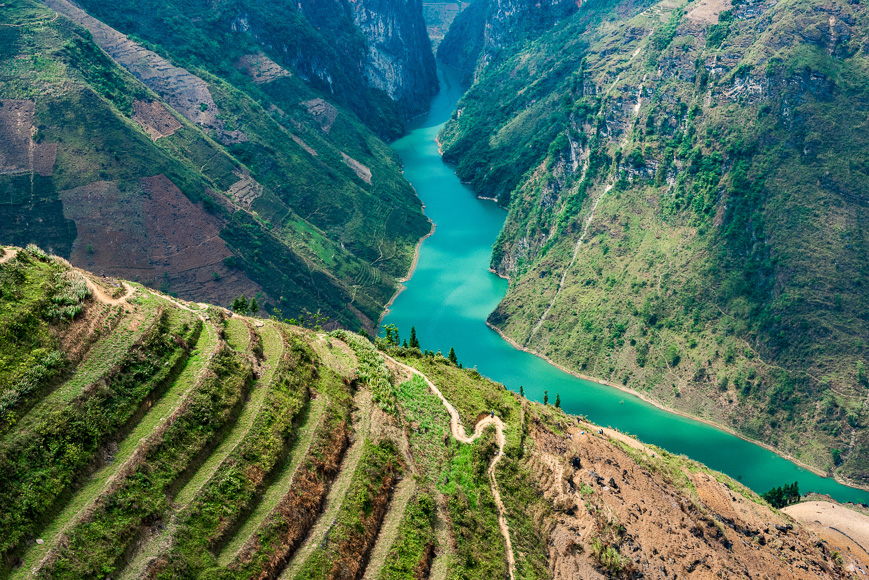
Ha Giang is one of Vietnam’s most breathtaking provinces — a land of limestone peaks, deep valleys, and the legendary Ha Giang Loop. Yet with all its wild charm comes a powerful truth: nature rules here. The same rivers that carve the valleys can rise overnight, turning serene landscapes into fast-moving torrents during the flood season.
Understanding when and how flooding happens in Ha Giang helps travelers plan safer, more rewarding journeys — and ensures you’ll capture the province’s raw beauty at the right time.

When Is Flood Season in Ha Giang?
The rainy (or flood) season in Ha Giang typically runs from May to September, when monsoon systems sweep across northern Vietnam. The peak flood period usually falls between late June and August, with heavy afternoon downpours and occasional tropical storms.
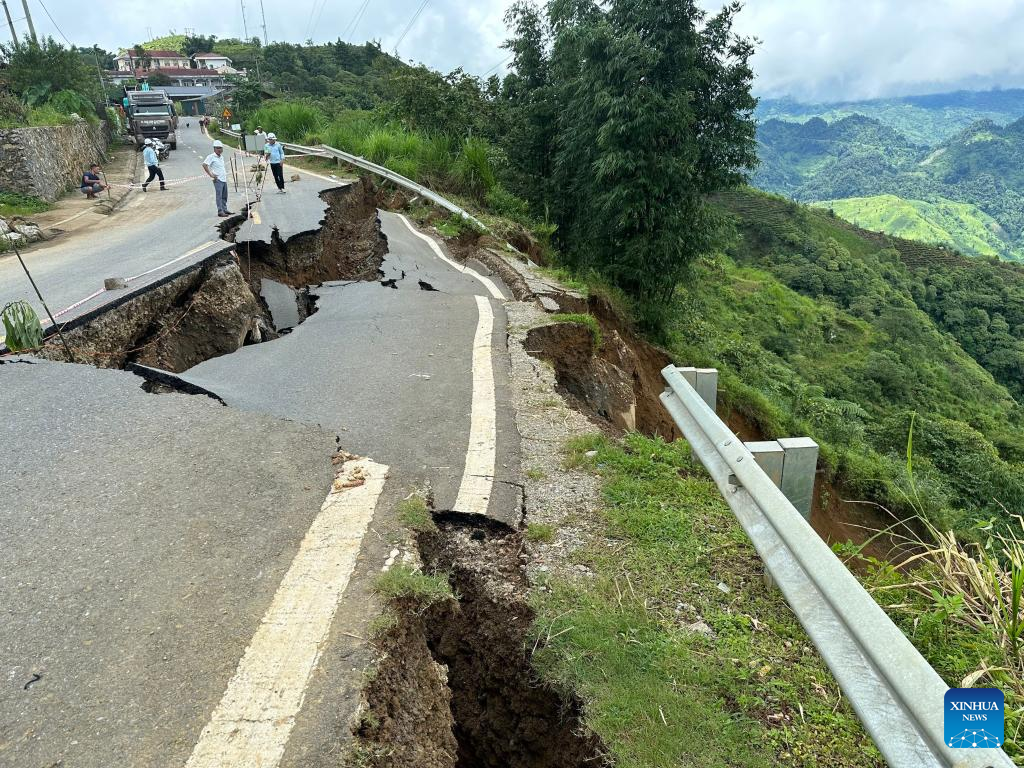
During these months, rivers rise quickly, rural roads can flood, and certain mountain passes — including parts of the Ma Pi Leng Pass and Quan Ba Heaven’s Gate — may close temporarily due to landslides.
By contrast, the best months for clear skies and safe travel are October–November and March–May, when rainfall is minimal and the mountains are bathed in golden light — perfect for riders and landscape photographers.

Why Flooding Happens in Ha Giang
Ha Giang’s terrain is incredibly steep and rugged. When heavy rain falls, water rushes down narrow valleys and small streams, which overflow rapidly. Because the region’s soil is shallow and rocky, it can’t absorb water well — increasing the risk of flash floods.
In especially severe storms or typhoons, landslides can block entire sections of the Loop. Local authorities often act quickly to repair roads, but during peak flood months, travelers should expect delays, detours, or even temporary road closures.

How Flood Season Affects Your Trip
- Road and Riding Safety
Mountain roads become slippery, and mud or small rockslides may appear after each storm. Landslides are the biggest hazard, especially on cliff-edge sections of the Ha Giang Loop. If you’re traveling by motorbike, reduce speed and avoid night rides during heavy rain.

- Weather and Visibility
Persistent mist and cloud can hide mountain views, while rain creates deep greens and moody atmospheres — dramatic but unpredictable for photographers. On the bright side, early mornings after rain can reveal stunning light and low-hanging fog.
- Access and Logistics
Floods sometimes wash away small bridges or cut off rural paths. Transport may pause for a few hours while locals clear the road. Tour operators like Ha Giang Loopers always check conditions before departure, ensuring your trip stays safe and on schedule.

Best Time to Visit Ha Giang
If you want both safety and scenery, plan your trip between:
- October – November: Cool, dry, with golden rice terraces and crisp air.
- March – May: Gentle spring light, blooming buckwheat and peach flowers, and little rain.
Safety Tips for Traveling During Flood Season
- Check weather forecasts daily. Use local apps or ask your guide; storms can appear within hours.
- Book flexible tours. Choose a local operator that can adjust routes or reschedule rides — flexibility is key.
- Pack rain-ready gear. A waterproof jacket, quick-dry layers, and a rain cover for your backpack or camera are essentials.
- Stay informed on road conditions. Local homestays, police, and tour companies receive updates about closures first.
- Avoid risky crossings. Never drive or walk through fast-moving flood water — it’s far deeper and stronger than it looks.
- Carry travel insurance. Ensure it covers trip interruption, evacuation, and weather-related delays.
Ha Giang Loopers continuously monitors road and weather conditions so travelers can enjoy their journey worry-free.
What to Do if You Encounter a Landslide or Flood
If you see falling rocks or flooded roads:
- Stop immediately and turn back to higher ground.
- Do not attempt to cross flooded sections, even on motorbikes.
- Inform locals or contact your tour operator for assistance.
- Wait for official clearance before resuming travel.
Ha Giang’s local rescue teams are experienced, and roads are usually cleared within hours — but patience and caution are your best allies.
Alternative Plans During Heavy Rain
Even if the main Loop is closed, you can still enjoy Ha Giang:
- Short day rides from Ha Giang City to nearby waterfalls or valleys.
- Homestay experiences with ethnic minority families — a chance to learn local culture and shoot portraits indoors.
- Photography walks around terraced rice fields or foggy villages after the rain stops.
- Switch routes to destinations like Cao Bang or Ba Be Lake, depending on regional forecasts.
Local guides can help adjust your plan to ensure safety and great experiences even when the rain doesn’t stop.

Quick FAQ
When is flood season in Ha Giang?
From May to September, peaking between late June and August.
Can I do the Ha Giang Loop during rainy season?
Yes — but you must stay flexible and check local conditions. Choose guided tours with daily weather monitoring.
Is it good for photography?
Absolutely. Flood season brings dramatic skies, misty valleys, and lush greens — perfect for moody shots if you’re patient.
What should I pack?
Waterproof jacket, rain pants, dry bags, camera protection, and sturdy footwear.
Final Thoughts
Flood season in Ha Giang can be both challenging and mesmerizing. The storms sculpt the landscape, fill rivers with silver reflections, and create scenes most travelers never see. But it also demands respect — of nature, of safety, and of timing.
Whether you visit during the calm of autumn or the drama of monsoon, traveling with a trusted local operator like Ha Giang Loopers ensures you stay safe, informed, and inspired. We know the roads, the seasons, and the local communities — so you can focus on the ride, the view, and the story behind every photograph.


