
Slow Travel vs Fast Travel in Ha Giang: Why We Don’t Rush the Loop
The Ha Giang Loop can be done quickly. Many travelers see a 2-day itinerary and think it is enough: ride fast, stop at the famous viewpoints, take photos, sleep once, return to Ha Giang City, and move on to the next place in Vietnam.
Technically, yes, you can move through parts of the loop in two days. But Ha Giang is not the kind of place that gives its best moments to people who are always checking the time.
The real beauty of Ha Giang is not only Ma Pi Leng Pass, the Sky Walk, or the most famous photo stops. It is also coffee in the mountains, clouds moving across valleys, slow village walks, short conversations with local people, morning light, smoke from kitchens, children walking to school, buffalo on the road, and small moments that cannot be scheduled perfectly.
Quick navigation
- Fast travel vs slow travel in Ha Giang
- Why rushing a 2-day loop is often not enough
- Coffee stops are part of the journey
- Watching clouds is not wasted time
- Talking to locals changes the experience
- Walking villages instead of only passing them
- Why photographers need slower travel
- Why we don’t rush the itinerary
- What is the best pace for the Ha Giang Loop?
Fast Travel vs Slow Travel in Ha Giang
Fast travel is about coverage. How many viewpoints can you reach? How many places can you say you visited? How much can be squeezed into one route before sunset?
Slow travel is different. It is about attention. It asks a better question: not “How many places did I see?” but “How deeply did I experience the place I was in?”
Fast travel often feels like this
- Long riding hours with short stops
- Many viewpoints, but little time at each one
- Photos first, feeling later
- Meals treated as fuel, not part of the experience
- Arriving tired and leaving early again
- Remembering the route as a blur of roads and checkpoints
Slow travel often feels like this
- Fewer stops, but better stops
- Time for coffee, clouds, and quiet moments
- More chance to meet local people naturally
- Meals, homestays, and villages become part of the memory
- Less pressure to “complete” everything
- More space for photography, rest, and real observation
In Ha Giang, fast travel can show you the surface. Slow travel lets the place open up.
Why Rushing a 2-Day Ha Giang Loop Is Often Not Enough
A 2-day Ha Giang Loop is possible, but possible does not always mean ideal. It can work for travelers with very limited time, but it usually means harder riding days, fewer quiet stops, and less room for weather, road conditions, photography, and local interaction.
The problem is not only distance. The problem is rhythm.
Mountain roads are slow. The weather changes. Viewpoints are not always clear when you arrive. A valley that looks flat on a map may take much longer than expected because of curves, traffic, roadworks, photo stops, or fog. If the itinerary is too tight, every delay becomes stress.
When the schedule is rushed, travelers often start making the wrong choices. They skip coffee. They take photos quickly. They do not walk into villages. They do not wait for clouds to move. They do not stop when the light is beautiful because the group needs to reach the next town.
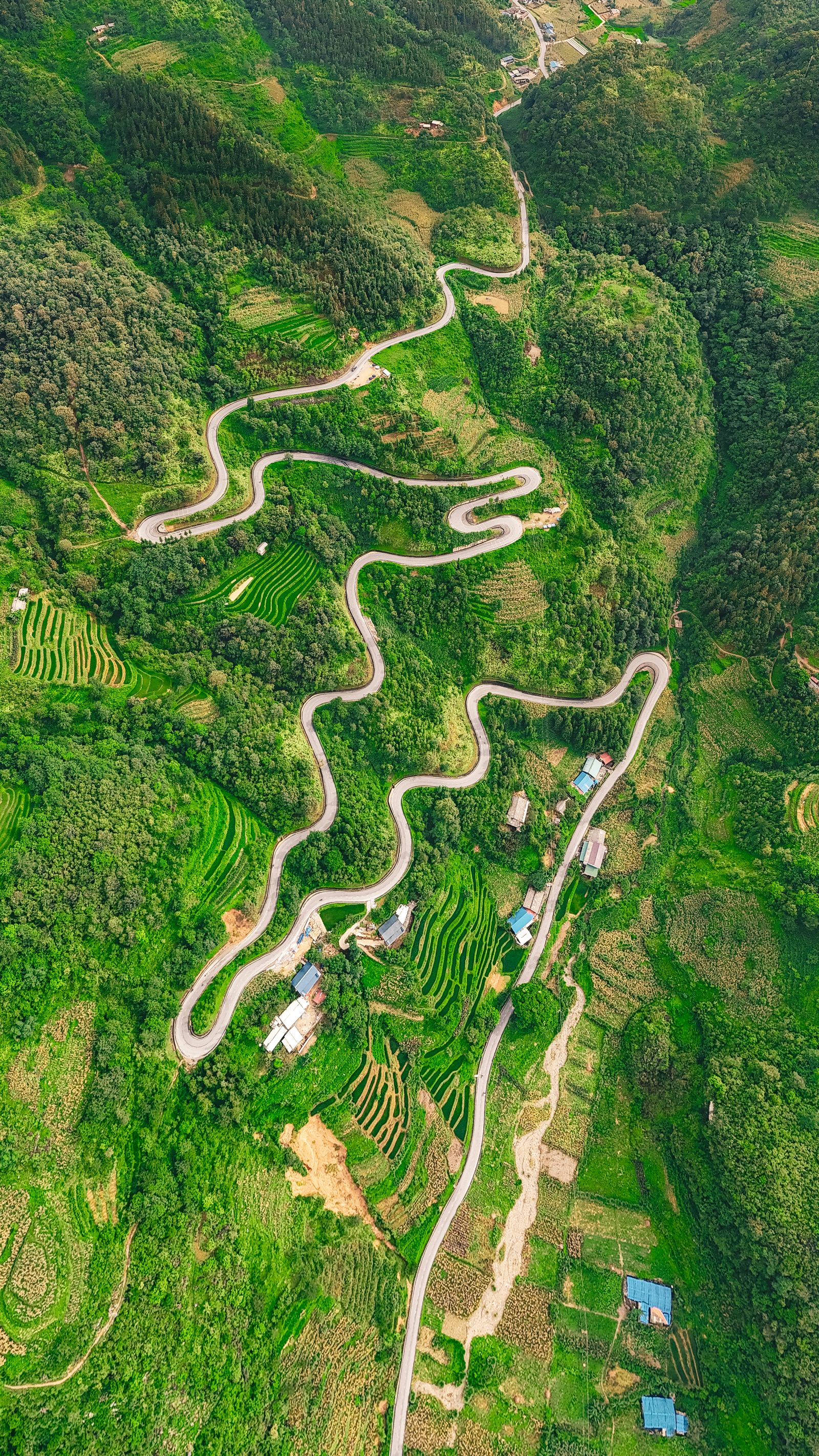
A rushed 2-day loop can still be exciting. You may still see dramatic landscapes. You may still come back with good photos. But often, the trip feels like a race through a place that deserved more patience.
When a 2-day loop may feel too rushed
- You care about photography and good light.
- You want time for coffee stops and local meals.
- You want to walk villages, not only ride through them.
- You are not used to long riding days.
- You want space for weather changes or foggy viewpoints.
- You prefer a calmer, more meaningful travel pace.
The biggest loss in a rushed itinerary is not always a famous viewpoint. Sometimes the loss is the small moment you never had time to notice.
Coffee Stops Are Part of the Journey
In some places, coffee is just a break. In Ha Giang, a coffee stop can become one of the strongest memories of the day.
You sit down after hours on mountain roads. The helmet comes off. The air feels cooler. The motorbike engines go quiet. Someone orders coffee, tea, or a cold drink. A valley opens below the balcony. Clouds move across the limestone peaks. For a few minutes, nothing needs to happen.
This is not wasted time. This is the journey doing its work.

Fast itineraries often treat coffee as optional. Slow travel treats it as part of understanding Ha Giang. Not because the coffee itself is always special, but because the pause changes the way you experience the road.
After a proper coffee stop, the next road feels different. You are not only moving forward. You are paying attention.
Watching Clouds Is Not Wasted Time
Ha Giang is a landscape of clouds. They move through valleys, hide mountain tops, soften the light, and sometimes turn a viewpoint from ordinary to unforgettable in five minutes.
On a rushed trip, clouds can feel like a problem. You arrive at a viewpoint, the view is covered, and the group moves on. But with more time, clouds become part of the experience. You wait. You watch. The valley opens slowly. Light breaks through. The mountains appear in layers.
This kind of moment cannot be forced into a tight schedule.
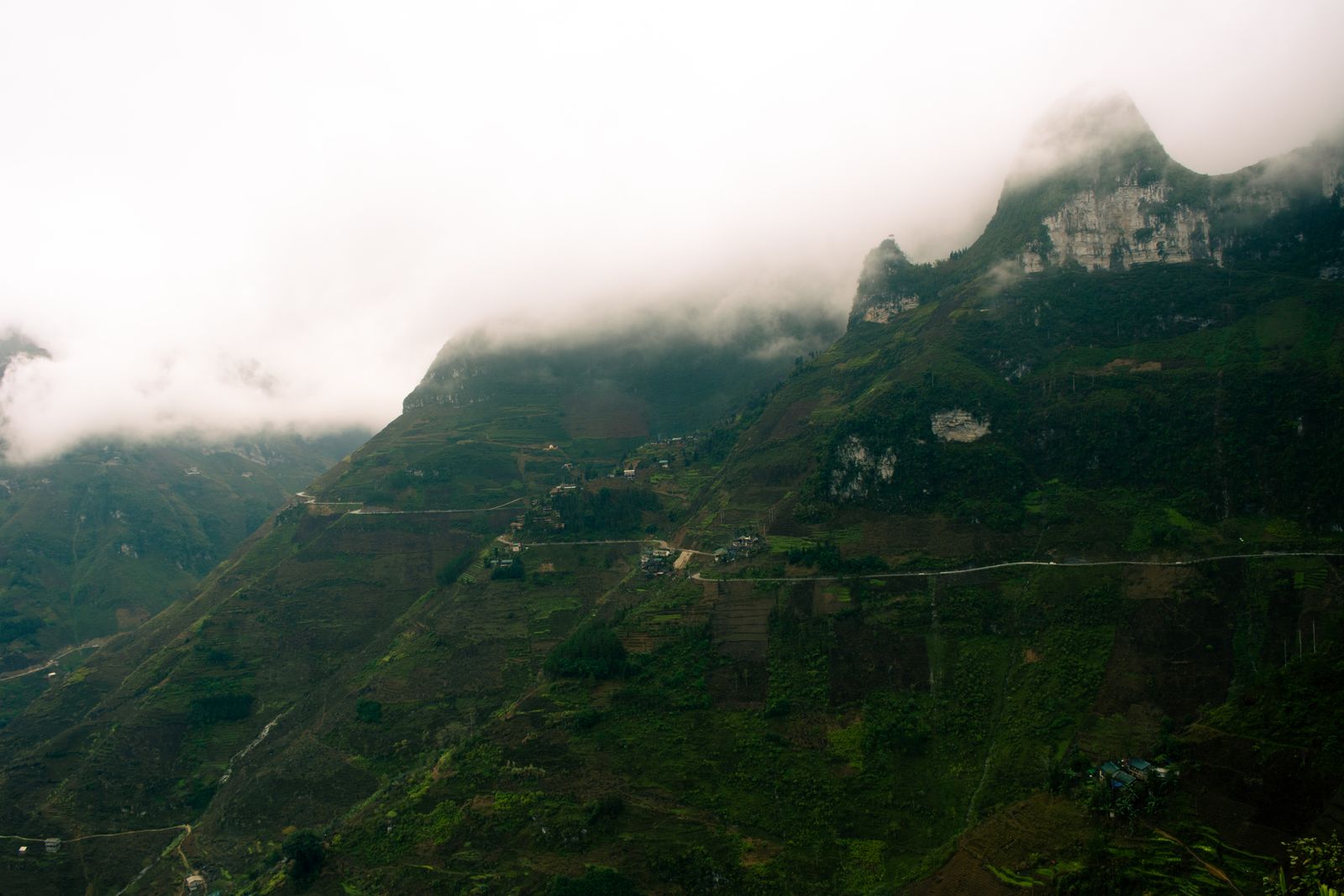
Slow travel gives you permission to wait. That sounds simple, but it changes everything. Waiting means you are not only consuming the view. You are participating in the moment.
This is especially important for travelers who care about photography. The best light often comes before or after the obvious moment. Fog, clouds, rain, and broken sunlight can create images that are more emotional than a perfect blue sky.
Talking to Locals Changes the Experience
Ha Giang is not only scenery. It is home. People live inside the landscapes that travelers come to photograph.
When an itinerary is rushed, local life becomes background. Villages are passed quickly. Markets are seen from the road. Homestays become places to sleep rather than places to connect. The mountains remain beautiful, but the human side of Ha Giang stays distant.
With a slower pace, there is more space for natural interaction. A guide can explain what people are growing in the fields. You can stop at a small local shop. You can learn a few words. You can ask questions. You can understand why the road, the weather, the farms, and the villages matter to the people who live there.
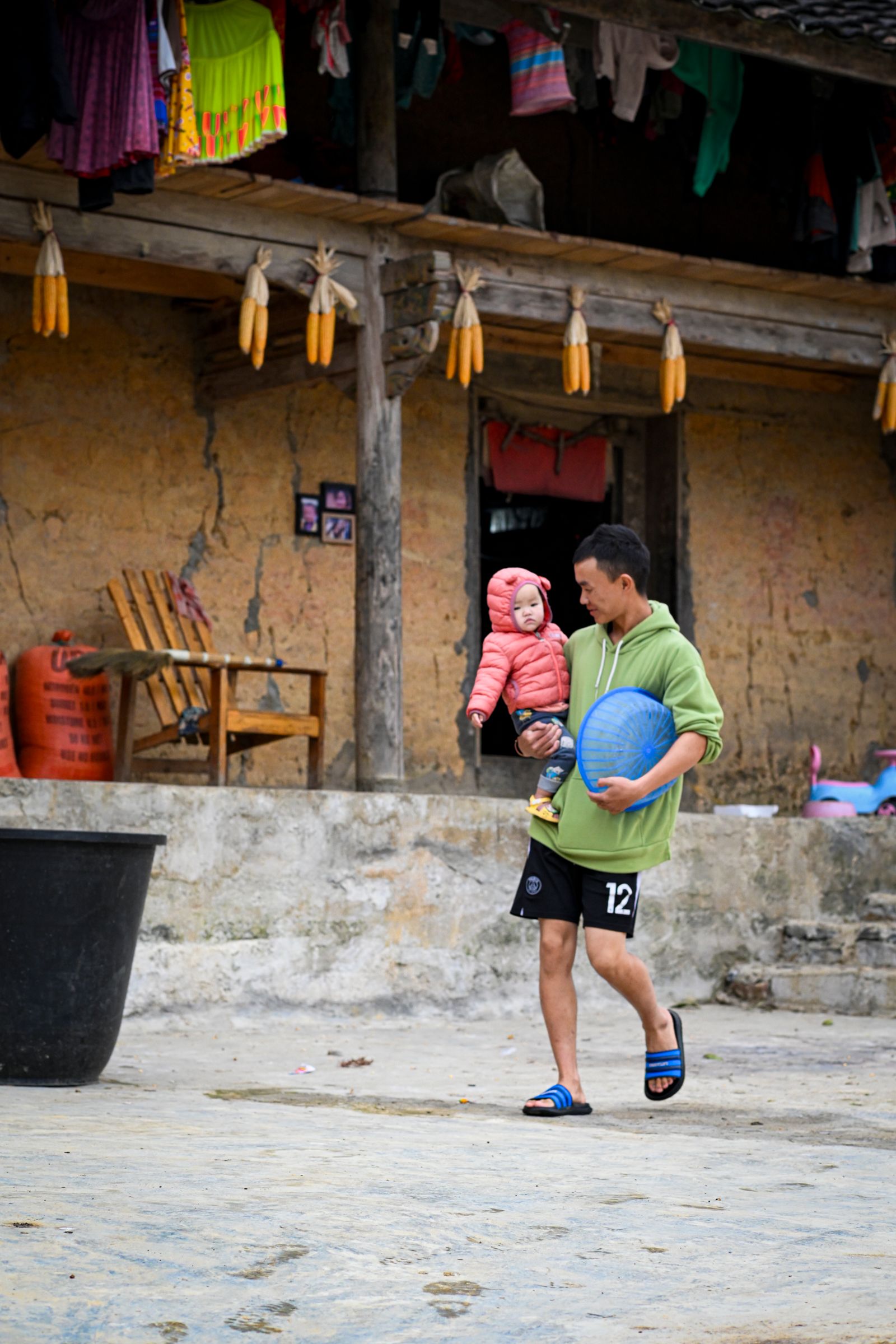
These moments do not need to be dramatic. A smile, a short conversation, a shared tea, a question about food, a guide explaining a local custom — these are small things. But they make the trip feel less like sightseeing and more like entering a real place with real people.
This is one reason we do not design itineraries only around famous viewpoints. The viewpoints matter, but the people matter too.
Walking Villages Instead of Only Passing Them
From a motorbike, Ha Giang villages can pass quickly. Stone houses, corn drying outside, children walking home, smoke from kitchens, dogs sleeping in the sun, old wooden doors, small gardens, people carrying grass or firewood.
If you only ride through, you see the shape of village life. If you stop and walk, you begin to notice the details.
Walking changes your speed. On a motorbike, everything comes toward you and disappears. On foot, you can hear more, smell more, see more, and understand the scale of things. A village that looked like a quick roadside stop can become one of the most memorable parts of the day.
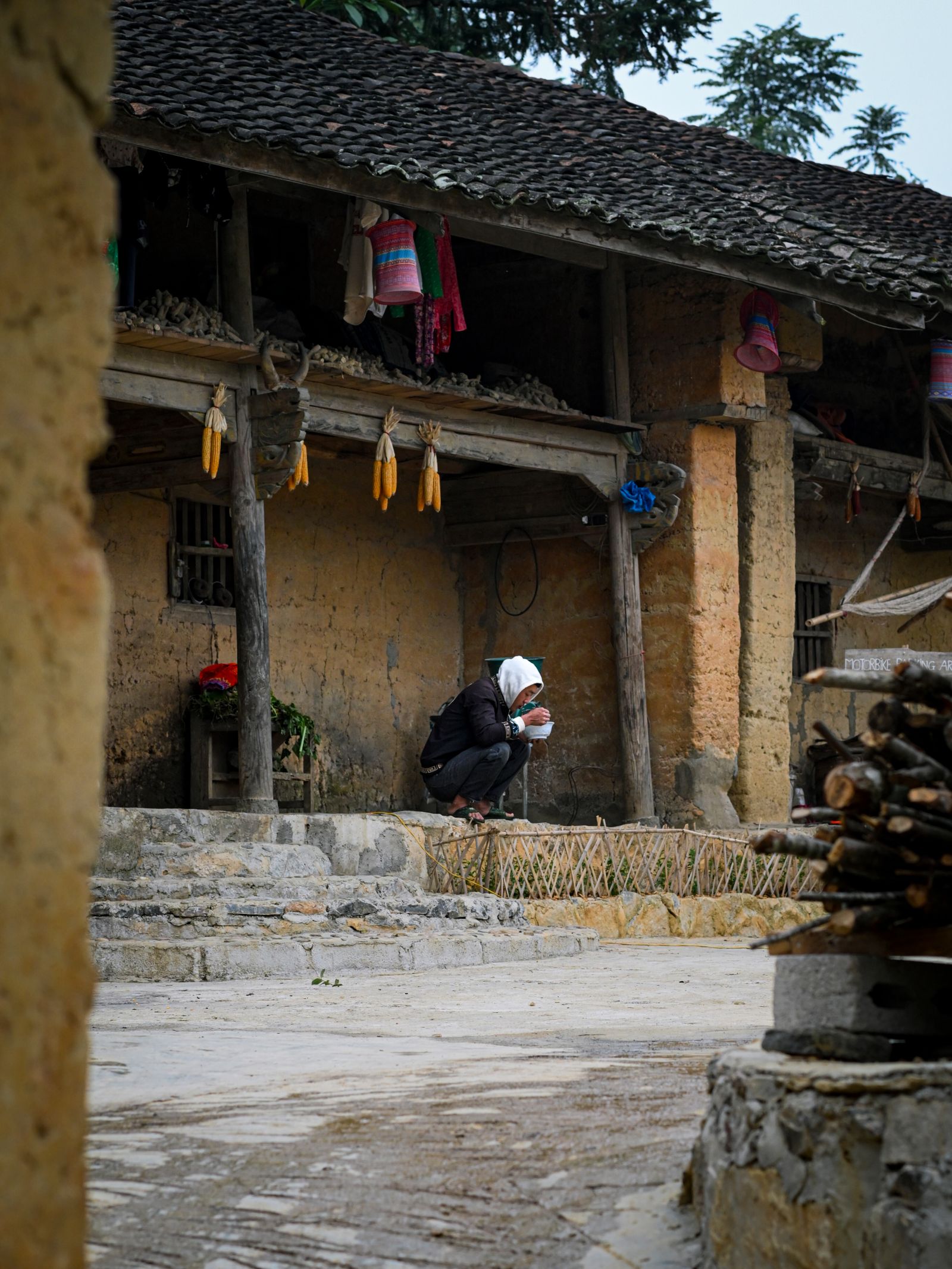
A rushed itinerary rarely allows this. There is always another viewpoint to reach, another road to finish, another town to arrive at before dark. So the village becomes a blur.
Slow travel makes room for the blur to become clear.
Small village details worth slowing down for
- Corn drying outside local homes
- Stone walls and traditional houses
- Local markets and morning routines
- Smoke rising from kitchens
- Children walking to school
- Buffalo, dogs, chickens, and daily farm life
- The way villages sit inside the mountains, not separate from them
Why Photographers Need Slower Travel
Photography is one of the biggest reasons to avoid rushing Ha Giang.
A fast itinerary gives you photos of places. A slower itinerary gives you photos with atmosphere.
The difference is time. Time to wait for clouds. Time to let people move naturally through a scene. Time to notice a doorway, a road curve, a pattern of fields, a line of smoke, a child’s jacket against a stone wall, or light hitting a mountain for only a few seconds.
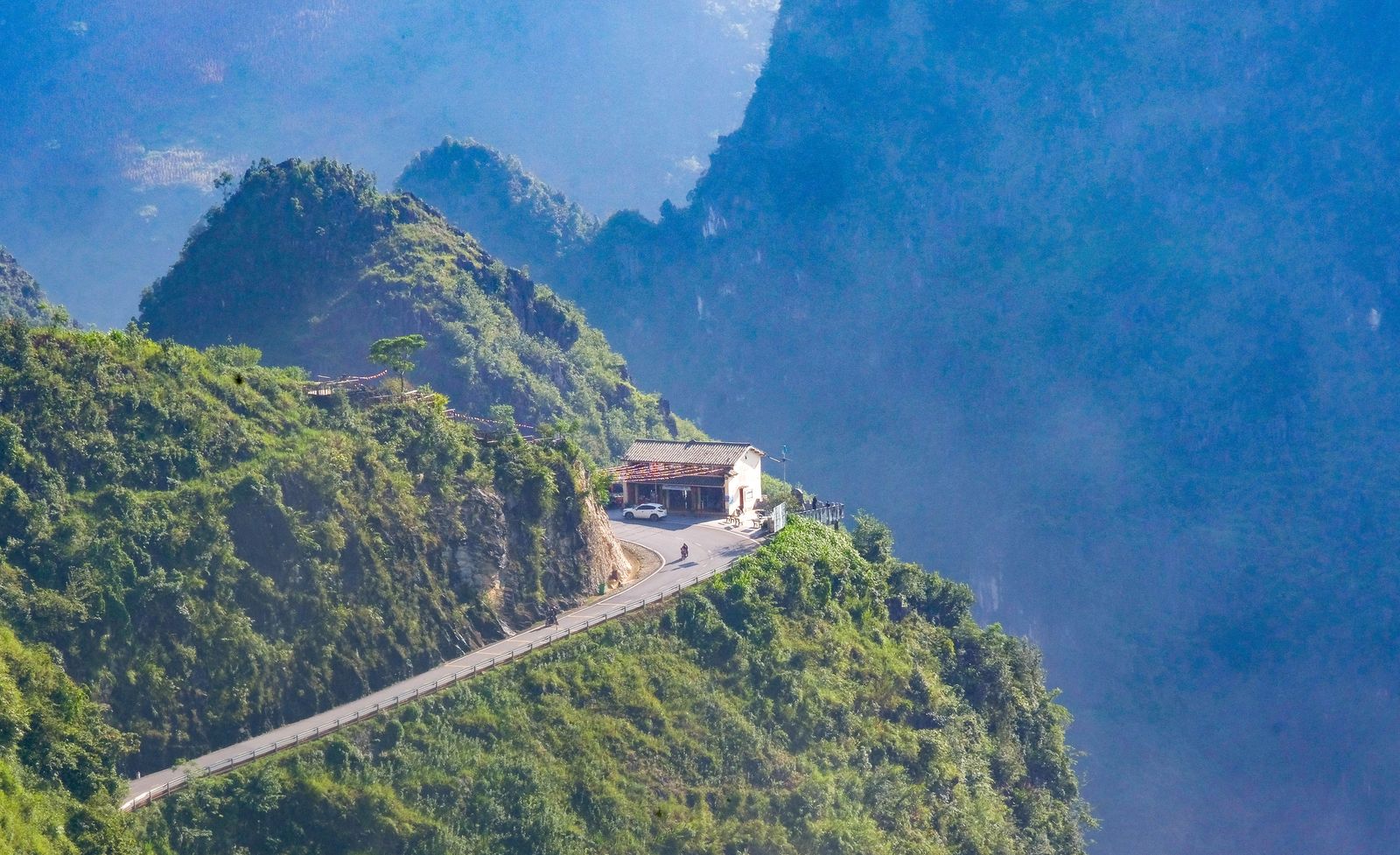
If the group is always rushing, photography becomes stressful. You jump off the bike, take the obvious shot, and leave. You may get a nice image, but you rarely get your best image.
The strongest Ha Giang photos often come from slower moments: a coffee stop, a village walk, a foggy road, a market corner, or a pause when everyone else would have moved on.
That is why slow travel matches Ha Giang so well. The landscape is dramatic, but the most meaningful images often come from patience.
Why We Don’t Rush the Itinerary
Some companies try to cover as many viewpoints as possible in one day. On paper, that can look impressive. A long list of stops makes the itinerary feel full. But more stops do not always mean a better experience.
We prefer a different approach: select the best stops, stay longer where it matters, and allow the day to breathe.
That does not mean moving slowly all the time. Ha Giang still involves riding. There are real distances, mountain passes, lunch stops, homestays, and arrival times to manage. But the goal is not to turn the loop into a race.
The goal is to create a rhythm where travelers can enjoy the journey instead of only collecting photos.
We select stops carefully
Not every viewpoint needs to be included. Some are crowded, rushed, or similar to others. A better itinerary chooses stops that fit the day’s route, weather, timing, and guest interests.
We allow longer stays
A short stop may be enough for a photo, but not enough to feel a place. Longer stops give time for coffee, walking, questions, photos, and simply looking properly.
We respect weather and light
Ha Giang changes quickly. Fog, clouds, sun, rain, and road conditions can change the best plan. A flexible itinerary can respond better than a rushed one.
We value experience over checklists
A checklist can help with planning, but it should not control the whole trip. The best Ha Giang memories often happen between the planned stops.
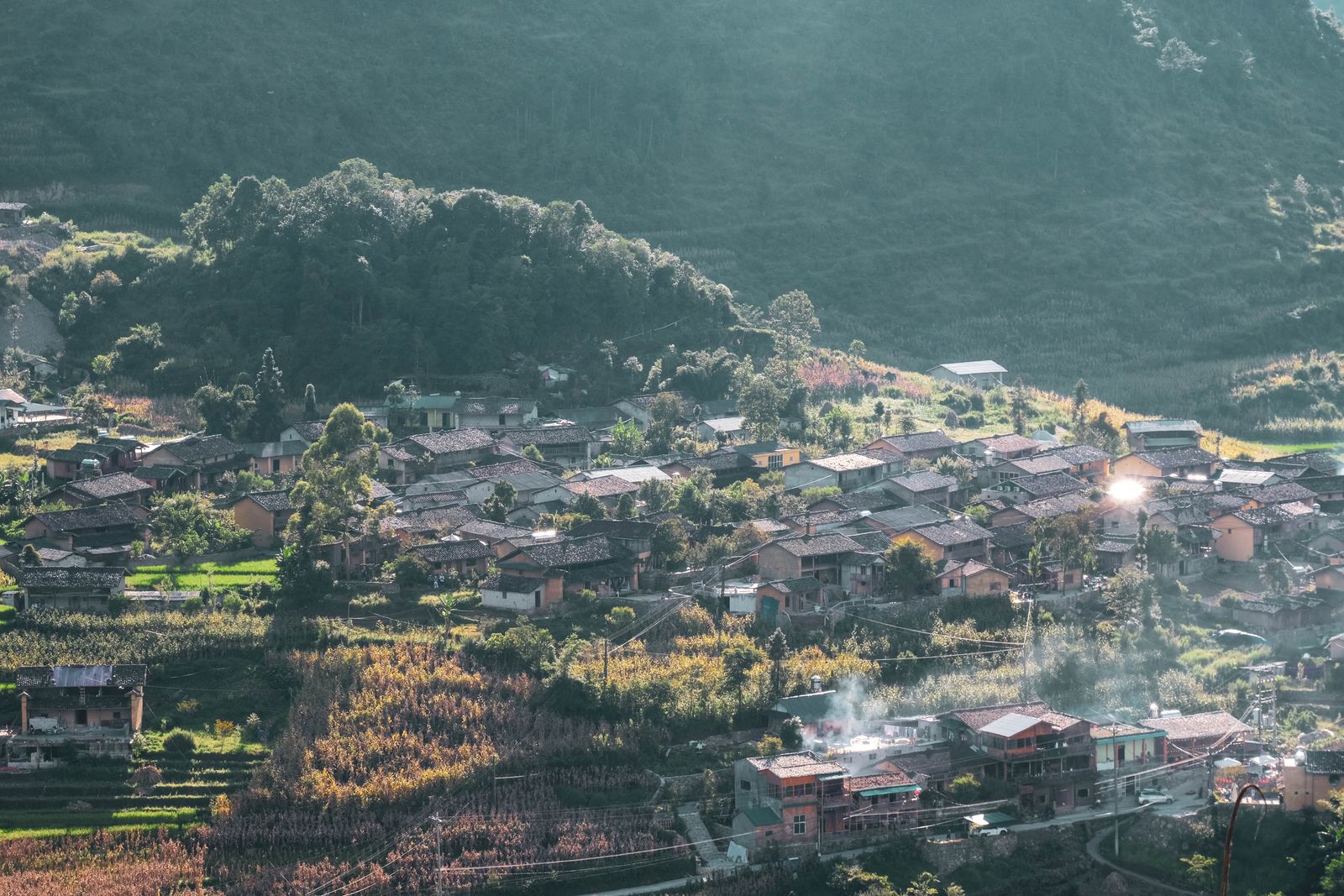
This approach is not about doing less. It is about experiencing more from each place.
There is a big difference between stopping for three minutes and staying long enough to understand why the stop matters.
What Is the Best Pace for the Ha Giang Loop?
The best pace depends on your time, travel style, budget, and comfort level. But for most travelers, Ha Giang becomes better when the itinerary is not too compressed.
A practical way to think about pace
2 days / 1 night: fast and limited
This can work for travelers with very limited time, but it is usually rushed. You may see some highlights, but there is little room for slow stops, weather, photography, village walks, or meaningful rest.
3 days / 2 nights: classic and balanced for many travelers
A 3-day loop gives more space to experience the main mountain landscapes, famous passes, local roads, and overnight stops. It is still active, but less rushed than a 2-day trip.
4 days / 3 nights: better for slow travel
A 4-day loop is often the better choice for travelers who care about photography, villages, coffee stops, local life, and a calmer rhythm. It allows the journey to feel less like a route and more like an experience.
5 days or more: deeper travel
Longer routes are useful for travelers who want more remote areas, slower mornings, extended photography, or combinations with less-rushed sections toward Cao Bang or other northern routes.
A slower pace does not mean doing nothing. It means giving the best parts of the journey enough time to become memorable.
Enjoying Ha Giang Instead of Collecting Photos
There is nothing wrong with wanting beautiful photos. Ha Giang is one of the best places in Vietnam for landscape, road, village, and travel photography.
But the photo should not become the whole purpose of the trip.
When travel becomes only about collecting images, the experience can become strangely thin. You may come home with many photos, but fewer memories. You remember where you stood, but not how the place felt. You remember the pose, but not the wind, the coffee, the fog, the sound of the road, or the conversation before the photo.
Slow travel brings the feeling back into the image.
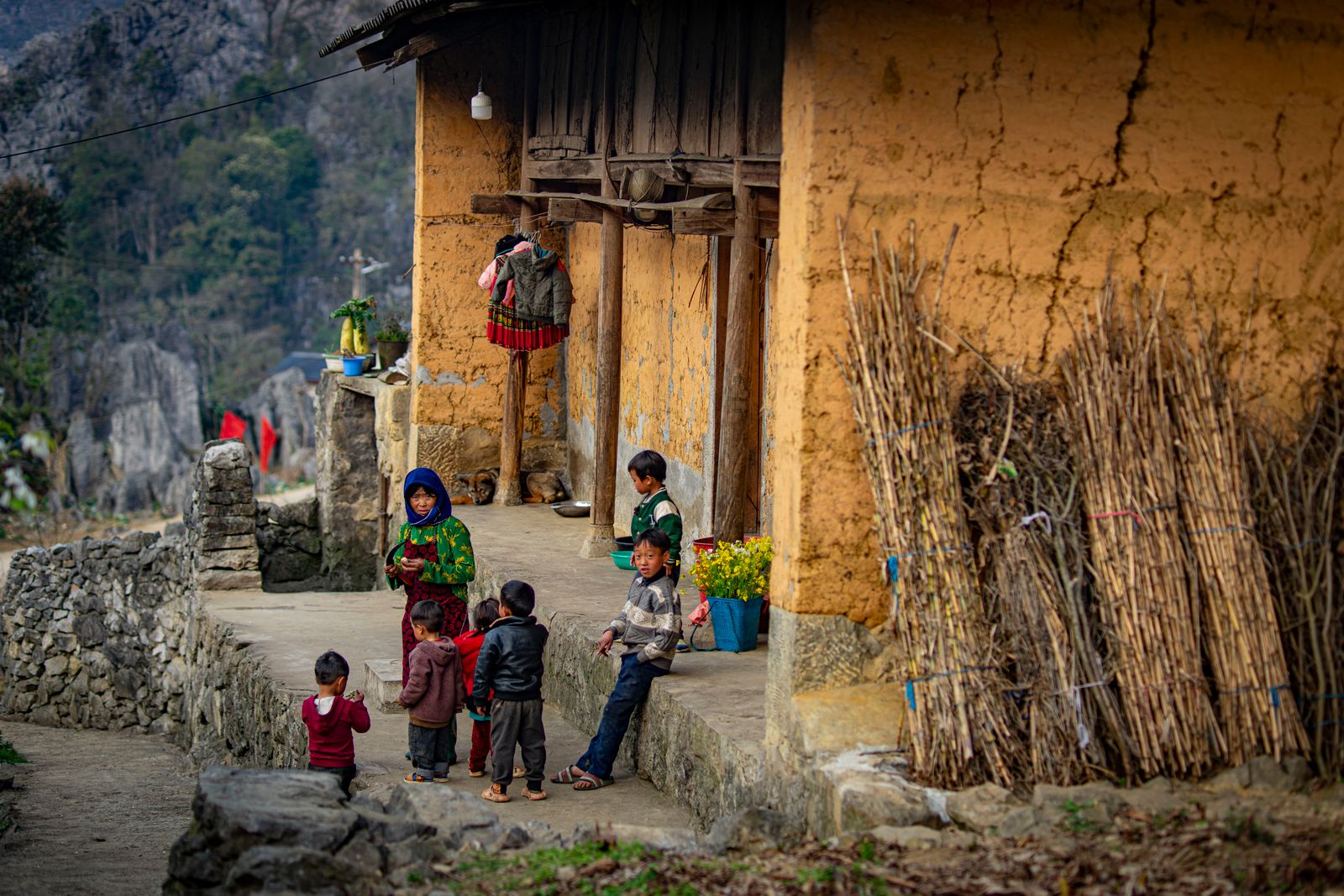
A good Ha Giang itinerary should leave room for the famous places, but also for the small ones. The big viewpoint and the quiet coffee. The mountain pass and the village lane. The photo stop and the moment when nobody takes a photo at all.
That balance is where Ha Giang becomes unforgettable.
Final Thought: Ha Giang Is Not a Race
The Ha Giang Loop is often described as an adventure, and it is. The roads, passes, weather, distance, and mountain scenery all give the journey energy.
But Ha Giang is also a place that rewards calm attention.
If you rush, you may still see the mountains. But if you slow down, you start to feel the life inside the mountains.
You notice the coffee, the clouds, the villages, the locals, the meals, the quiet roads, the changing light, and the small scenes that do not appear on a standard itinerary.
That is why we do not rush the itinerary. Not because we want to do less, but because Ha Giang deserves more than a checklist.
Experience Ha Giang at the Right Pace
Ha Giang Loopers Tour is a licensed local tour operator in Ha Giang. Our approach focuses on safe riding days, carefully selected stops, local guides, villages, food, culture, photography, and enough time to enjoy the journey properly.
Explore Ha Giang Loop ToursBefore your trip, you can also read our Ha Giang Loop packing checklist to prepare for mountain weather, long riding days, and local homestays.
Ha Giang Loopers Tour is a licensed local tour operator in Ha Giang, supporting the local community and helping travelers experience the loop in a slower, safer, and more meaningful way.


