
The Art of Riding Slowly on the Ha Giang Loop
In many places, riding slowly sounds like doing less. In Ha Giang, it means noticing more.
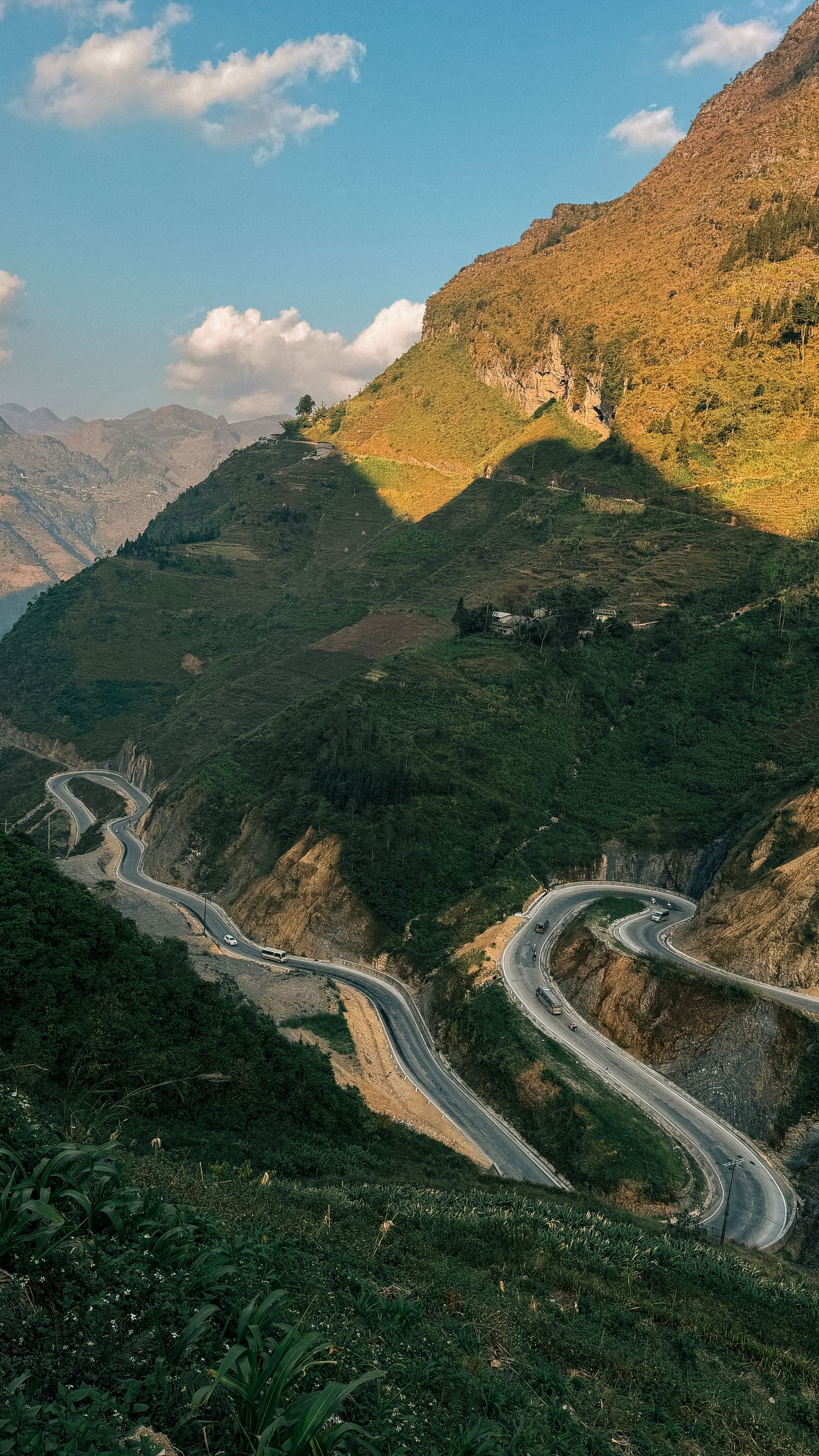
The Ha Giang Loop is often described as an adventure, and it is. There are mountain passes, winding roads, steep valleys, river views, remote villages, and long riding days. But the best way to experience Ha Giang is not to rush through it like a race.
The best way is to ride slowly enough to stop, look, listen, drink coffee, take photos, watch clouds, and understand that the road is not only something to finish.
The road is where Ha Giang happens.
Quick navigation
- What riding slowly really means
- The opposite of mass tourism
- Stopping is part of the journey
- Looking properly changes everything
- Listening to Ha Giang
- Coffee as a travel rhythm
- Taking photos without chasing photos
- Watching clouds move through the mountains
- Slow riding is also safer riding
- How to practice the art of riding slowly
What Riding Slowly Really Means
Riding slowly does not mean being lazy. It does not mean the day has no structure. It does not mean stopping every five minutes for no reason.
Riding slowly means choosing a pace that allows the journey to breathe.
It means riding safely through corners instead of attacking them. It means arriving at a viewpoint and staying long enough to feel it. It means noticing the smell of smoke from village kitchens, the sound of children walking to school, the way clouds move across a valley, or the way morning light changes a stone wall.
It means understanding that the Ha Giang Loop is not a checklist of famous stops. It is a living road through mountains and communities.
This is the difference between simply doing the loop and actually experiencing the loop.
The Opposite of Mass Tourism
Mass tourism often moves in a predictable rhythm: arrive, take the photo, leave. The experience becomes efficient. Everyone stands at the same place, points the camera in the same direction, takes the same picture, and moves on to the next stop.
Ha Giang deserves better than that.
The mountains are not a backdrop to collect. The villages are not decorations. The road is not simply transport between Instagram spots. Ha Giang is a place where people live, work, cook, farm, ride, walk, rest, and raise families.
Riding slowly is a way of respecting that.
Mass-tourism rhythm
- Rush to cover every famous stop
- Short photo pauses only
- Little time for local life
- Meals and coffee treated as interruptions
- Everyone comes back with similar photos
- The road feels like transfer time
Slow-riding rhythm
- Choose the best stops instead of every stop
- Stay longer where it matters
- Notice villages, weather, sound, and daily life
- Coffee becomes part of the experience
- Photos feel more personal
- The road becomes the main memory
The opposite of mass tourism is not doing nothing. It is paying attention.
Stopping Is Part of the Journey
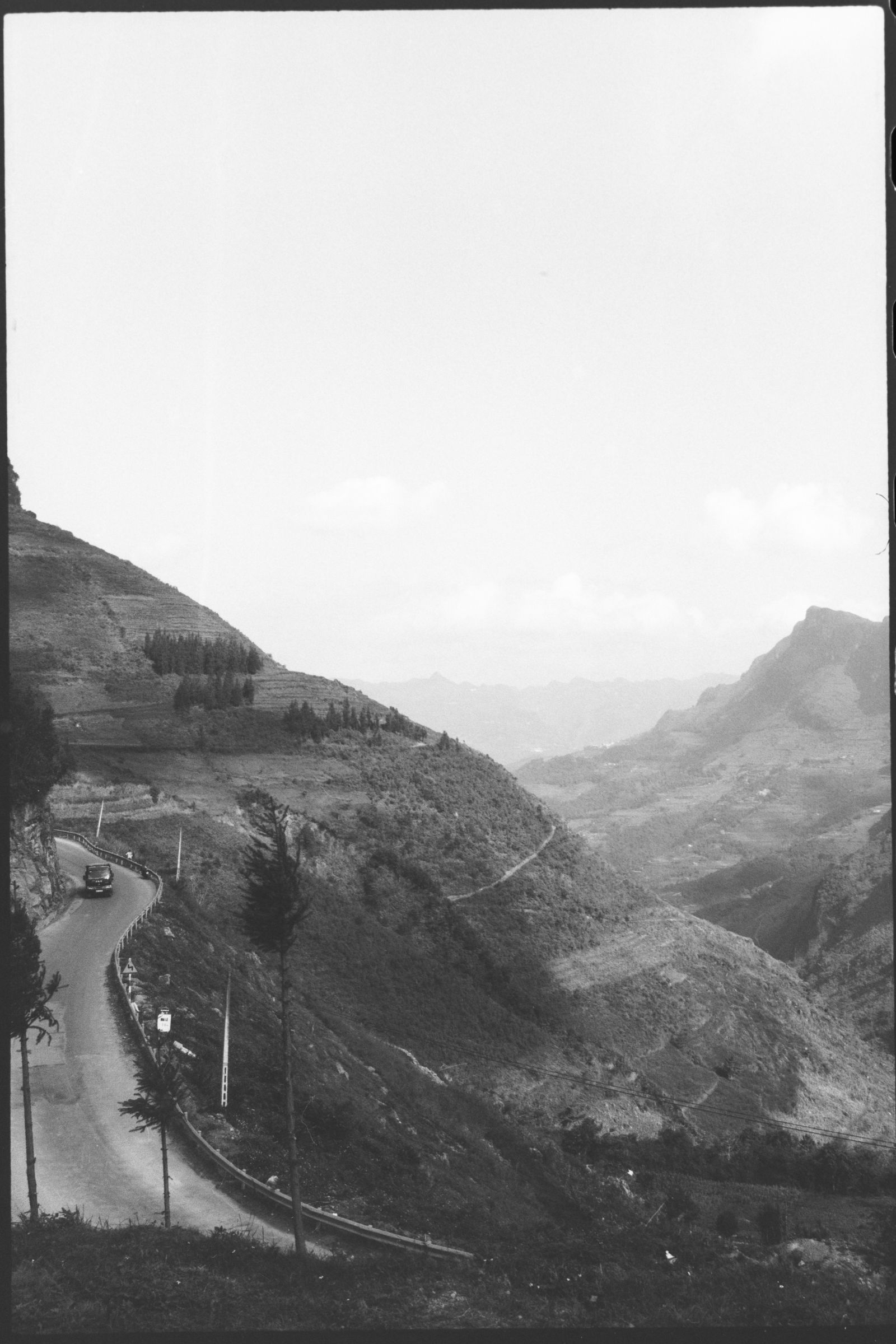
Some travelers think stopping is what happens between the “real” parts of the trip. On the Ha Giang Loop, stopping is often where the trip becomes real.
You stop because the view suddenly opens. You stop because the fog is moving in a beautiful way. You stop because a local market appears. You stop because someone needs coffee. You stop because the light is perfect for only a few minutes. You stop because the road asks you to.
Not every stop has to be famous. In fact, many of the best stops are not famous at all.
Good reasons to stop in Ha Giang
A quiet view with no crowd
Sometimes the best place to stop is not marked on Google Maps. It is simply a safe roadside corner where the mountains suddenly feel close.
A village scene
Corn drying outside a house, smoke from a kitchen, children walking home, or someone carrying grass can say more about Ha Giang than a famous viewpoint.
A weather moment
Fog, clouds, rain, and broken sunlight can change the landscape quickly. A good stop lets you watch that change instead of rushing past it.
A human moment
A conversation, a smile, a tea invitation, or a joke with your guide may become more memorable than the stop you planned.
Stopping gives the journey punctuation. Without stops, the whole loop becomes one long sentence with no breathing space.
Looking Properly Changes Everything
Looking is different from seeing.
You can see Ha Giang quickly. You can see the mountains, the roads, the villages, the rivers, and the passes. But looking properly takes more time. It means staying with a place long enough for details to appear.
At first, you notice the big landscape. Then you notice the layers. Then the tiny houses. Then the footpath across the hill. Then the smoke. Then the people moving inside the scene. Then the weather changing the mood completely.
Slow riding makes this possible because it gives your attention time to deepen.
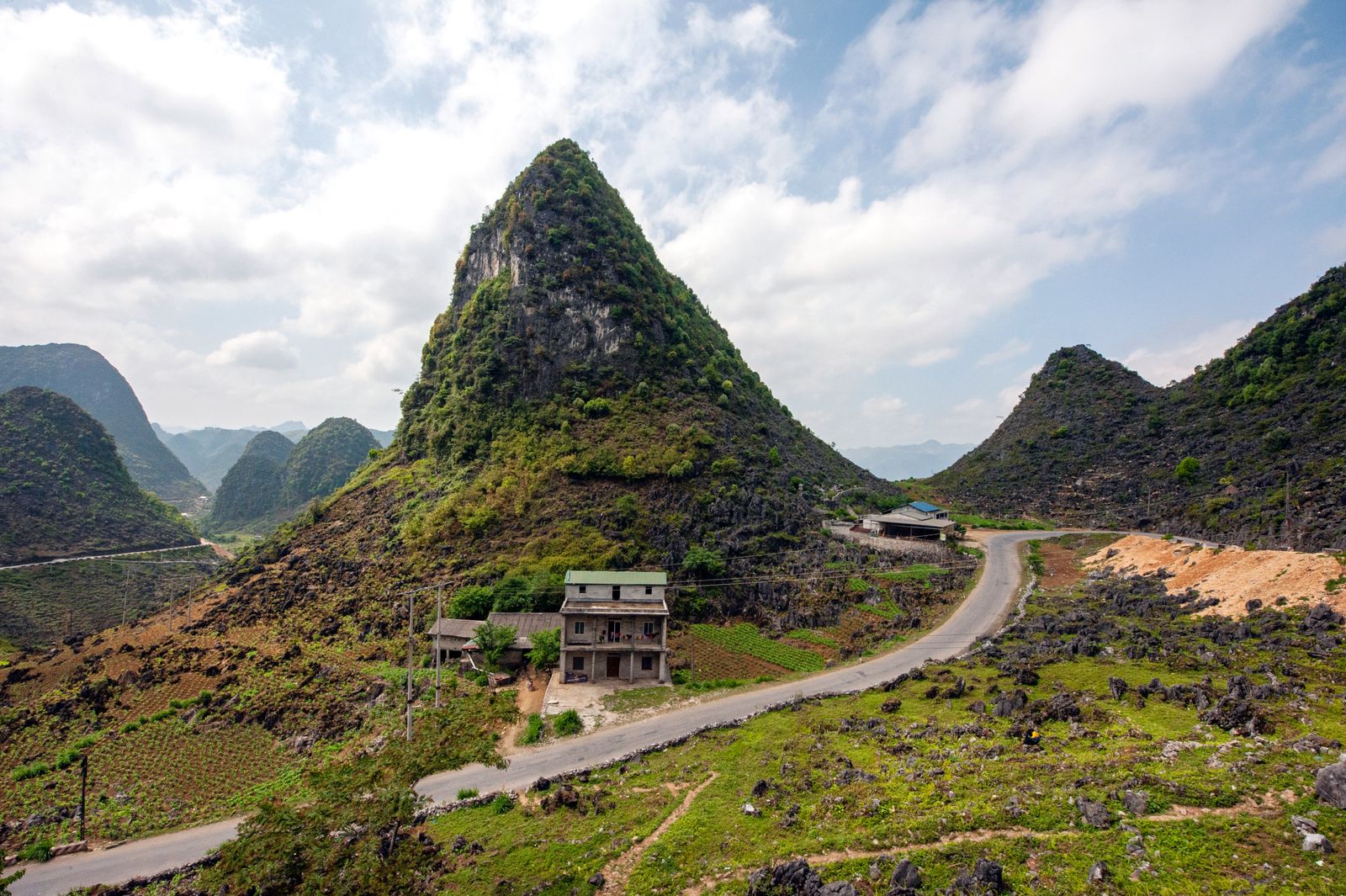
This is why a slower itinerary can feel richer even if it has fewer stops. You may see fewer places, but you see them better.
Listening to Ha Giang
Ha Giang is not only visual. It has sound.
The engine cooling after a long climb. Wind moving through corn fields. Dogs barking somewhere below the road. Chickens near a village house. A guide laughing at a coffee stop. Rain tapping on a roof. A truck horn around a blind corner. Children calling hello from a hillside.
When the trip is rushed, these sounds become background noise. When you slow down, they become part of the memory.
Listening also helps you travel more respectfully. You become aware that the loop is not an empty scenic route. It is full of homes, animals, families, markets, work, school, and daily routines.
Things you notice when you listen
- The quiet after the motorbike engine stops
- Local conversations at roadside shops
- Water running after rain
- Animals moving near the road
- The difference between a busy town and a quiet mountain pass
- The way fog can make a landscape feel almost silent
Riding slowly is partly about reducing noise inside yourself. Less hurry. Less checking the next stop. Less pressure to finish the day quickly. More attention to what is already happening.
Coffee as a Travel Rhythm
Coffee is not just a drink on the Ha Giang Loop. It is a rhythm.
A coffee stop marks a change in the day. You take off the helmet. Your body relaxes. The bikes become quiet. Everyone looks out at the mountains instead of looking at the road. Sometimes people talk. Sometimes nobody says much because the view is enough.
This is one of the small arts of riding slowly: knowing when a coffee stop is not a delay, but exactly what the journey needs.
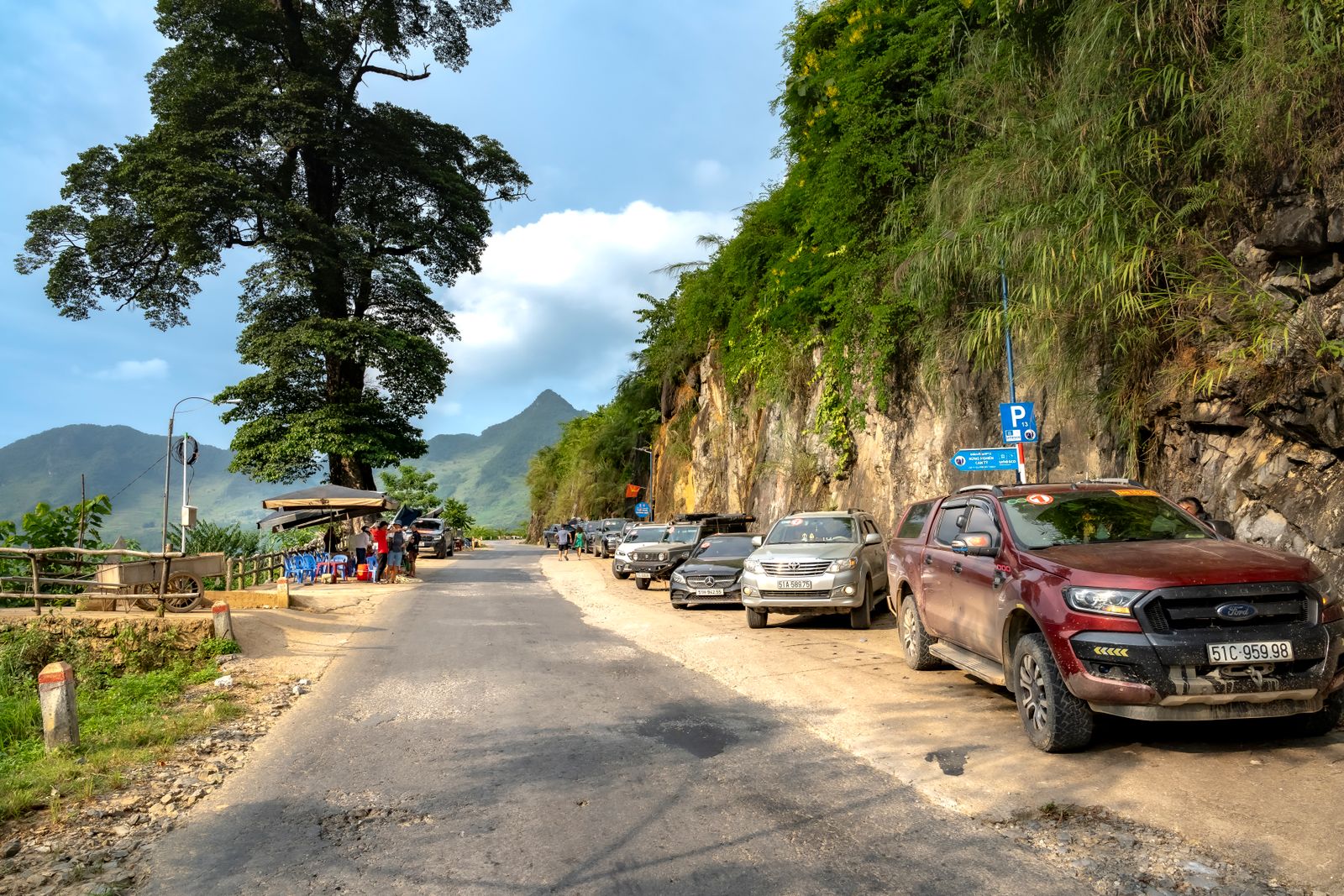
In mass tourism, coffee can feel like a quick fuel stop. In slow travel, it becomes a way of being present.
You drink slowly. You watch the clouds. You look at the bikes resting outside. You notice the weather. You ask your guide a question. You remember that you came to Ha Giang not only to move, but to feel where you are.
Taking Photos Without Chasing Photos
Ha Giang is extremely photogenic, which is both a gift and a trap.
The gift is obvious: mountains, curves, mist, villages, roads, rivers, animals, markets, local life, and changing light. You can take beautiful photos almost every day.
The trap is that photography can make people rush even more. They start chasing the next photo, the famous viewpoint, the same pose everyone else took, the road curve, the motorbike shot, the drone angle.
Slow riding changes the relationship with photography. Instead of hunting photos, you let photos appear.
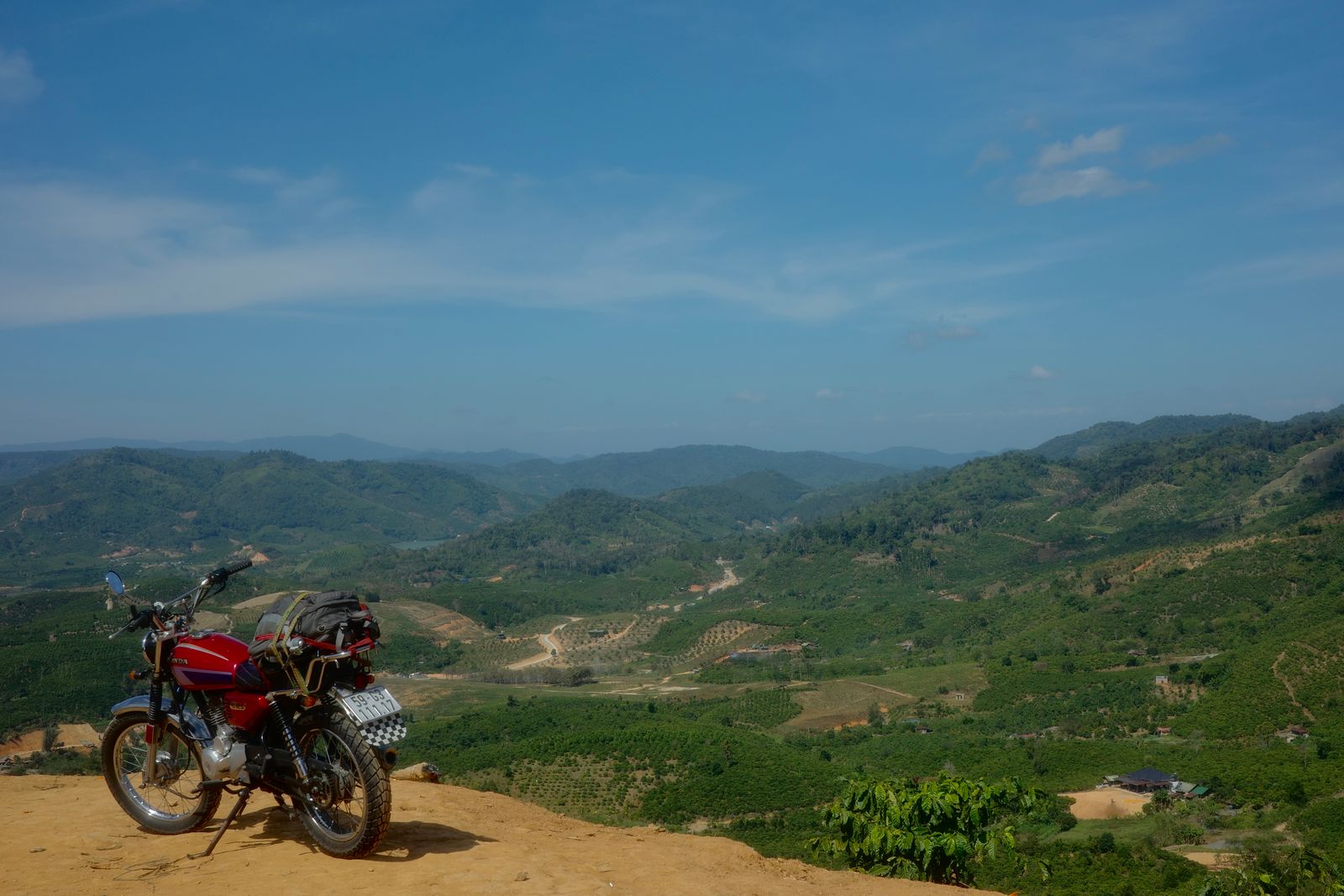
A slow rider sees more photographic moments because they are not only watching the next destination. They notice morning light on a house, fog behind a rider, a local shop, a quiet bend in the road, a meal being prepared, a guide laughing, or clouds changing shape behind the mountains.
The best photo may still happen at a famous viewpoint. But often, it happens in the pause before or after it.
Watching Clouds Move Through the Mountains
Clouds are part of Ha Giang’s personality.
They hide valleys, soften cliffs, move across roads, cover mountain tops, reveal villages slowly, and turn the same viewpoint into a completely different scene within minutes.
A rushed itinerary treats clouds as a problem. A slow journey treats clouds as part of the show.
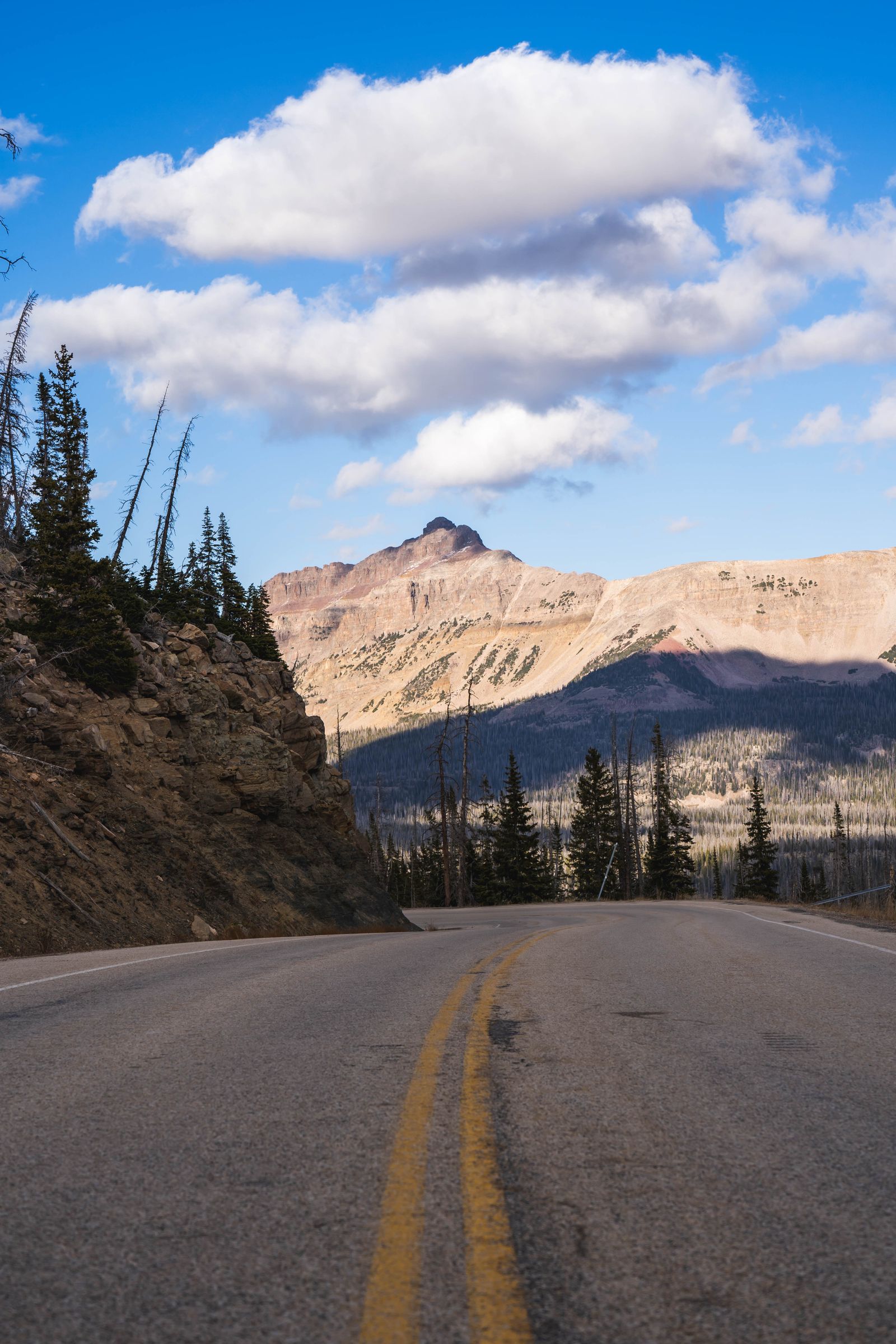
Watching clouds sounds simple, almost too simple. But it is one of the clearest examples of why slow travel matters.
If you arrive, see fog, take no photo, and leave immediately, the view feels disappointing. If you wait, the mountain may open. Or it may not. Either way, you have experienced the place instead of only judging it by visibility.
Ha Giang is not always clear, easy, or predictable. That is part of why it feels alive.
Slow Riding Is Also Safer Riding
The art of riding slowly is not only about beauty. It is also about safety.
Ha Giang roads include sharp bends, steep climbs, long descents, local traffic, animals, trucks, gravel, fog, rain, and roadworks. Riding too fast reduces reaction time and makes every mistake more serious.
Slow riding gives more space: space to brake before corners, space to notice trucks, space to avoid gravel, space to let animals cross, space to handle weather, and space to arrive without feeling exhausted.
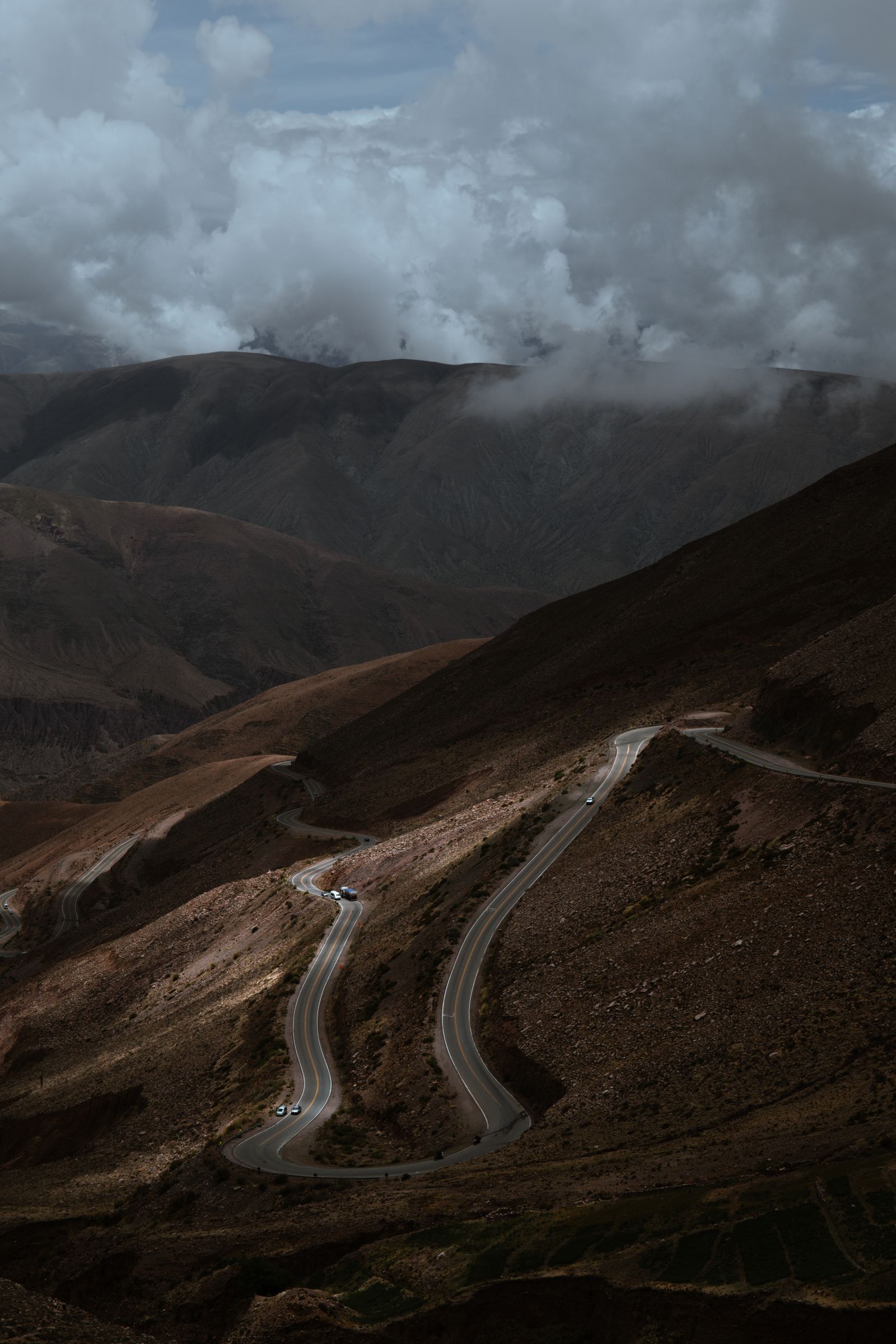
A good Easy Rider understands this. A responsible self-rider should understand it too. The road does not reward ego. It rewards patience.
The safest riders are often the ones who look relaxed, not the ones trying to prove something.
How to Practice the Art of Riding Slowly
Riding slowly is simple, but it does require intention. Without intention, the day easily becomes a rush from one stop to the next.
The goal is not to make the trip boring. The goal is to create enough space for the trip to become meaningful.
Leave earlier
Starting earlier gives more time for coffee, photos, weather changes, and slow stops without arriving late.
Choose fewer, better stops
Do not try to collect every viewpoint. A few meaningful stops often create a stronger day than many rushed ones.
Stay longer when the moment is good
If the light is beautiful, the clouds are moving, or the coffee stop feels special, give it time.
Listen to the road
Weather, fatigue, traffic, and road conditions should shape the pace. A fixed schedule should not overpower common sense.
Respect local life
Villages are homes, not sets. Slow down, be quiet, ask before close portraits, and travel like a guest.
Put the camera down sometimes
The best memory does not always need proof. Some moments are stronger when you simply watch.
A slow-riding checklist for Ha Giang
- Stop when the view, light, or atmosphere deserves it.
- Look beyond the obvious viewpoint.
- Listen when the motorbike stops and the mountains become quiet.
- Take coffee seriously as part of the travel rhythm.
- Let photography happen naturally instead of forcing every shot.
- Watch clouds before deciding the view is “bad.”
- Ride at a pace that respects the road and the people living along it.
- Choose an itinerary with enough time to enjoy the journey, not just finish it.
Why This Fits Ha Giang Loopers
Ha Giang Loopers is not built around the idea of rushing guests from one viewpoint to another. The better version of the loop is slower, safer, more local, and more human.
That means carefully selected stops instead of endless stops. Enough time for photos, but not turning the whole trip into a photoshoot. Coffee breaks that feel like part of the journey. Easy Riders who understand both the road and the guest. Local moments that are treated with respect.
The art of riding slowly fits Ha Giang because the province itself is not in a hurry.
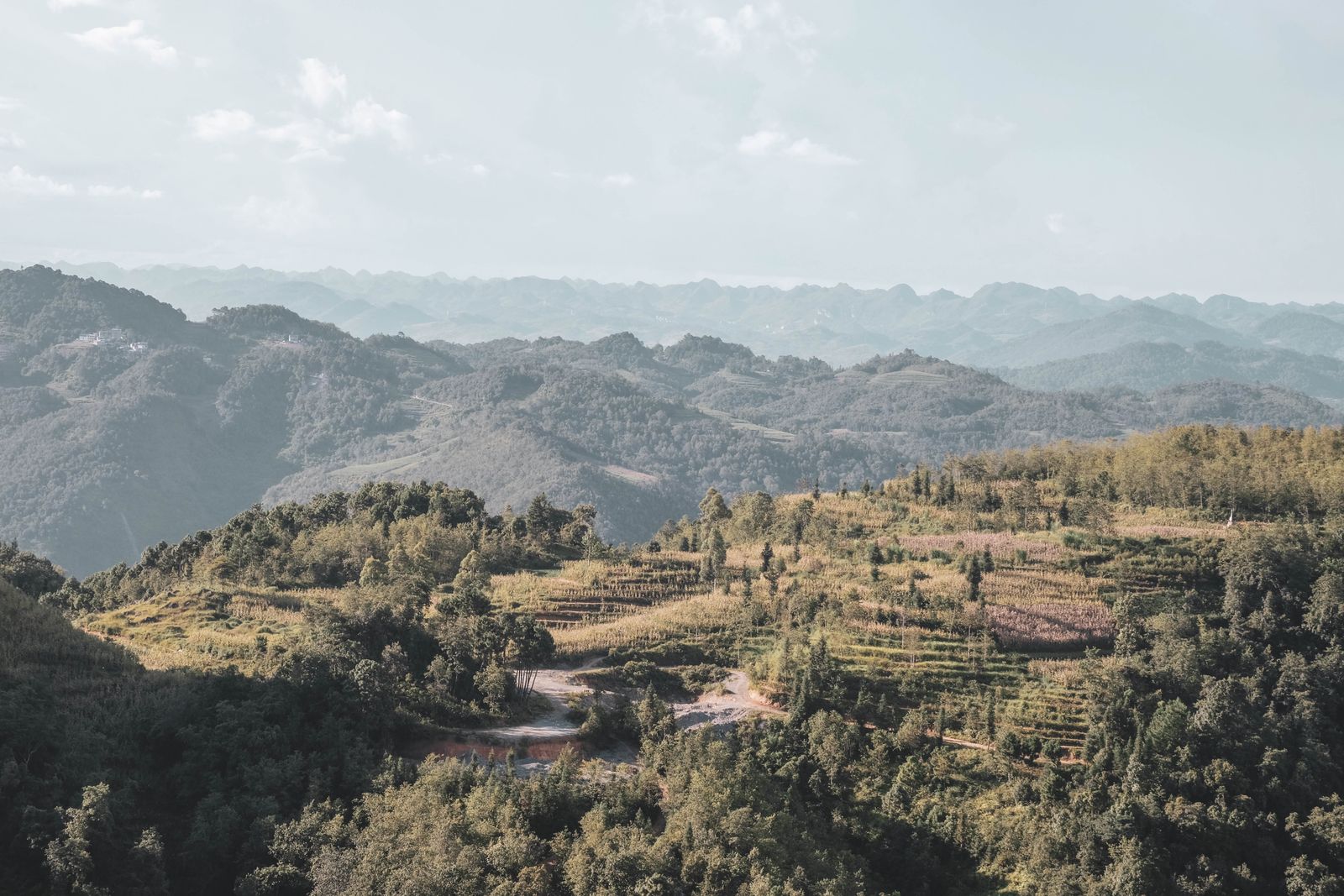
This is the opposite of mass tourism. It is not about moving large groups quickly through a scenic route. It is about helping travelers feel the road, understand the place, and leave with memories that are deeper than a photo checklist.
Final Thought: Slow Down Enough to Remember It
The Ha Giang Loop can be ridden quickly. Many people do it. They finish the route, take the famous photos, and move on.
But Ha Giang becomes more powerful when you stop treating it like something to finish.
Stop. Look. Listen. Drink coffee. Take photos. Watch clouds. Let the road change the day. Let the day change you a little.
That is the art of riding slowly.
Riding slowly is not doing less.
It is noticing the parts of Ha Giang that fast travel misses: the quiet road, the coffee steam, the moving clouds, the village sounds, the safe corner, the unexpected photo, and the feeling that the journey itself was the destination.
In the end, the Ha Giang Loop is not only remembered by where you went.
It is remembered by how slowly you allowed yourself to feel it.
Experience Ha Giang at a Slower, Safer Pace
Ha Giang Loopers Tour is a licensed local tour operator in Ha Giang. Our trips focus on safe riding days, carefully selected stops, local guides, villages, food, culture, photography, coffee breaks, and enough time to enjoy the road itself.
Explore Ha Giang Loop ToursBefore your trip, you can also read our Ha Giang Loop packing checklist to prepare for mountain weather, long riding days, local homestays, and life on the road.
Ha Giang Loopers Tour is a licensed local tour operator in Ha Giang, supporting the local community and helping travelers experience the loop in a slower, safer, and more meaningful way.


