
Why the Journey Matters More Than the Destination in Ha Giang
Ha Giang is not a place built around one famous monument. There is no Eiffel Tower here. No single building that explains the whole province. No final attraction where everyone stands, takes the same photo, and says, “That was the point of the trip.”
That is exactly what makes Ha Giang special.
The Ha Giang Loop is not about arriving at one destination. It is about the road itself: the curves, climbs, descents, villages, coffee stops, weather, children waving, buffalo blocking the road, clouds moving across valleys, and the feeling of slowly entering a mountain world that cannot be understood from one viewpoint.
In many famous destinations, the journey is just how you get there. In Ha Giang, the journey is the destination.
Quick navigation
- Ha Giang has no Eiffel Tower — and that is the point
- The road is the destination
- What happens between the famous stops
- Small moments matter more than you expect
- Why Ha Giang should not be treated like a checklist
- The rhythm of the journey
- Why photographers understand this quickly
- The road connects you to local life
- The best way to experience the Ha Giang Loop
Ha Giang Has No Eiffel Tower — and That Is the Point
Some destinations are easy to explain. Paris has the Eiffel Tower. Agra has the Taj Mahal. New York has the Statue of Liberty. These places have icons: one famous image that becomes the symbol of the trip.
Ha Giang is different. It does not have one monument that holds the whole meaning of the place.
Yes, there are famous stops. Ma Pi Leng Pass is dramatic. The Nho Que River is beautiful. The Sky Walk has become popular. Dong Van, Meo Vac, Du Gia, Quan Ba, and Yen Minh all have their own character. But none of them alone can explain Ha Giang.
Ha Giang is not one object. It is a feeling that builds slowly while you move.
This can surprise travelers at first. People are used to destinations having a “main thing.” They want to know the best viewpoint, the must-see stop, the photo everyone should take. But Ha Giang resists that kind of simple answer.
The magic is not hidden in one place. It is spread across the journey.
The Road Is the Destination
On the Ha Giang Loop, the road is not just transportation. It is the experience.
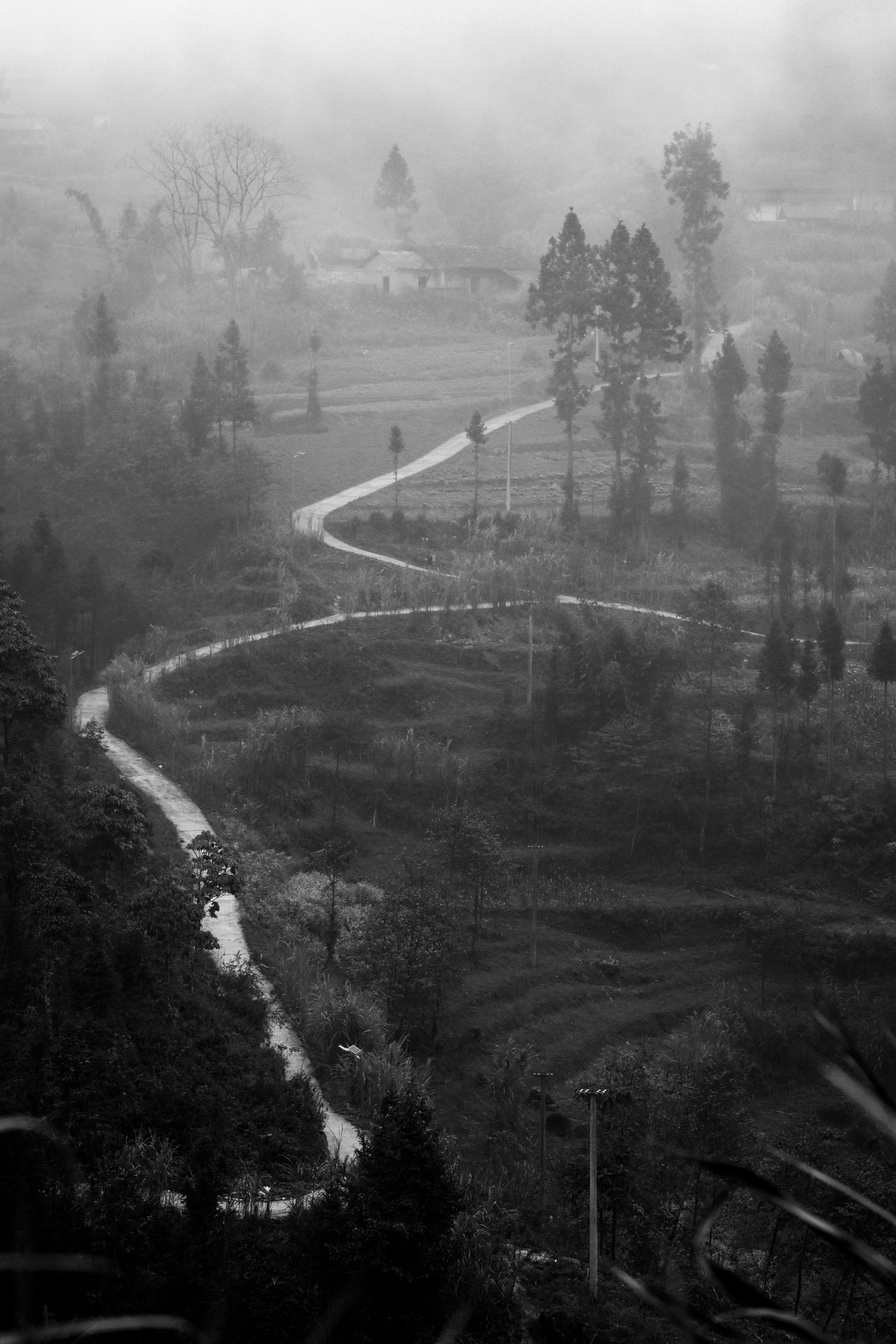
The road climbs out of valleys, wraps around cliffs, passes through small villages, drops into river bends, crosses quiet farmland, cuts through limestone mountains, and changes mood with the weather. One hour can feel bright and open. The next can feel misty, quiet, and completely different.
This is why rushing the loop can feel strange. If the road is the destination, then racing through it means missing the destination while trying to reach it.
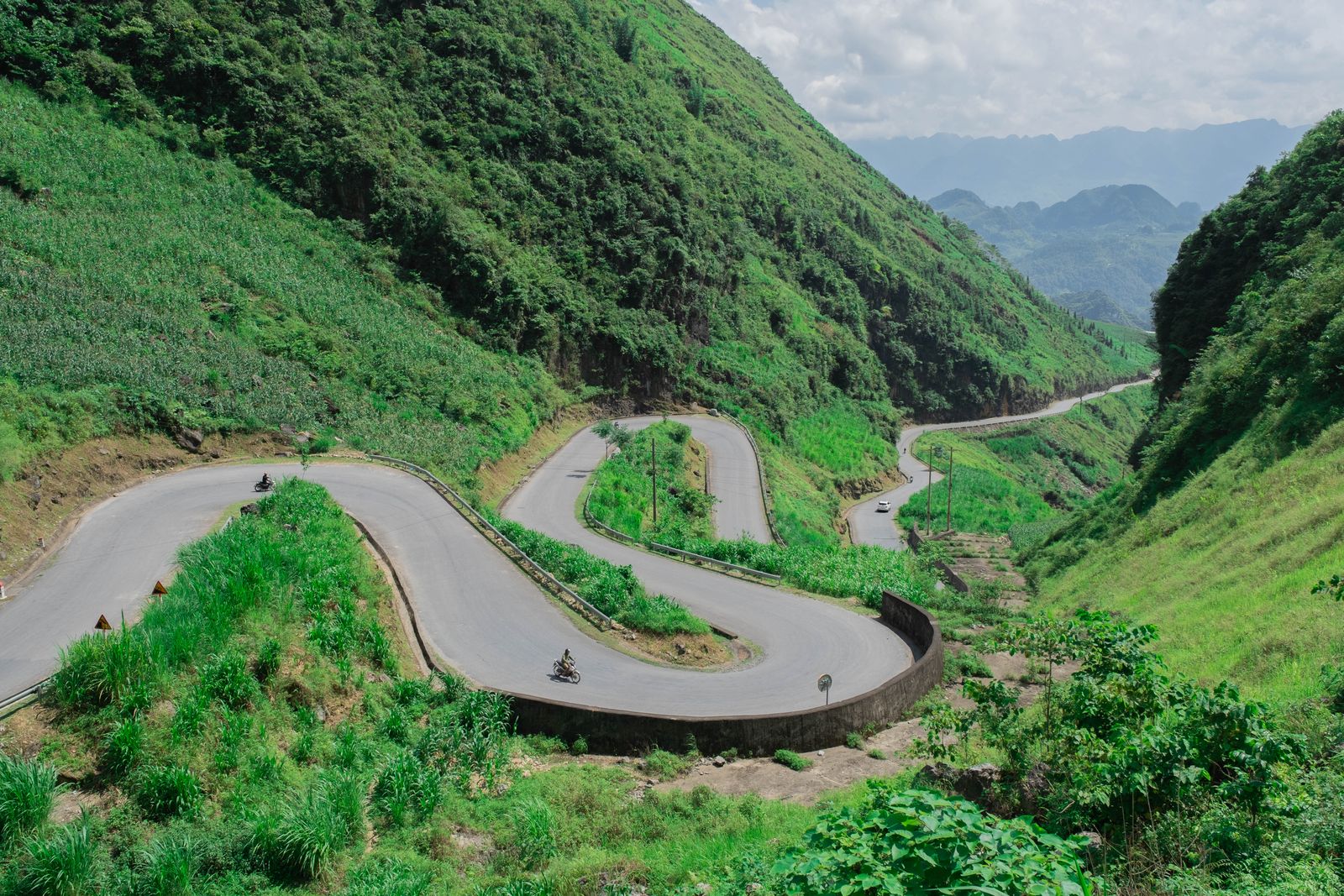
A normal itinerary may say: Ha Giang City to Yen Minh, Yen Minh to Dong Van, Dong Van to Meo Vac, Meo Vac to Du Gia, and back to Ha Giang City. But the real itinerary is more alive than that.
It is a turn in the road where the valley suddenly opens. It is fog appearing after lunch. It is a child waving from a stone wall. It is a coffee stop where everyone becomes quiet because the view is better than anyone expected. It is your guide slowing down because goats have decided, with complete confidence, that they own the road.
These are not interruptions to the journey. They are the journey.
What Happens Between the Famous Stops
Many travelers plan Ha Giang by looking at famous stops. That makes sense. You need a route. You need overnight towns. You need to know what is possible in two, three, or four days.
But if you only care about the named places, you misunderstand the loop.
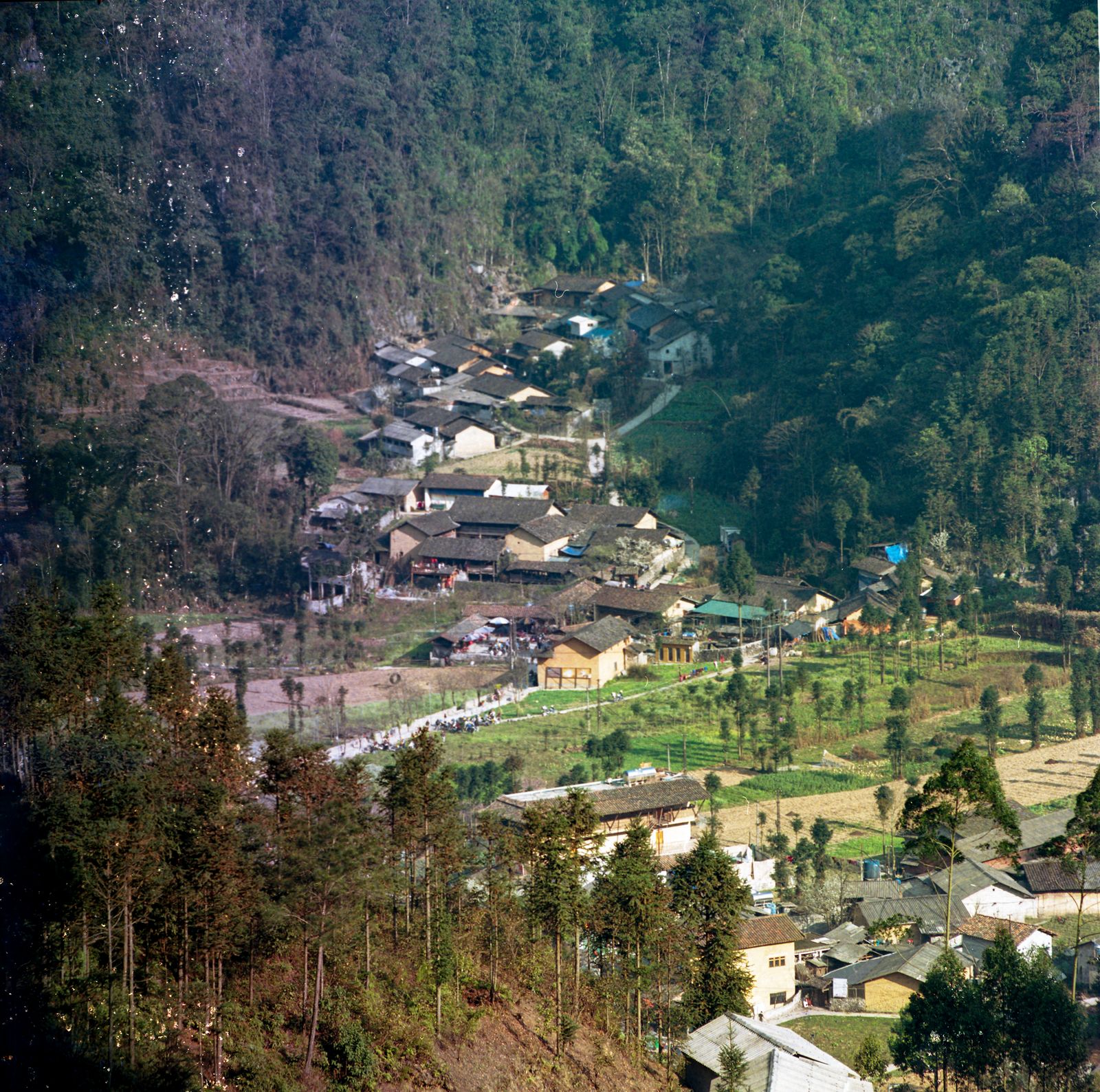
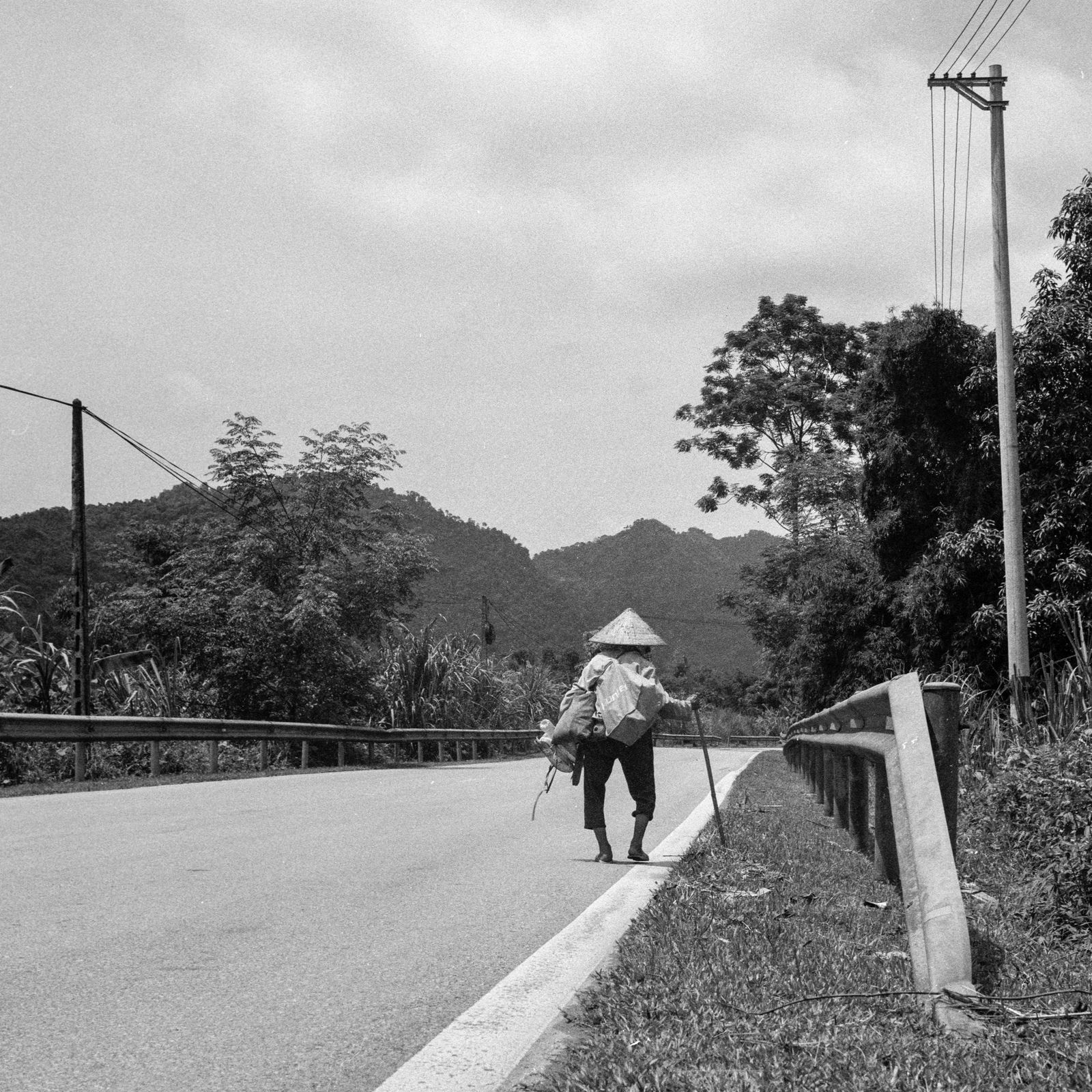
Between the famous stops, Ha Giang keeps giving small scenes: smoke rising from a kitchen, corn drying outside a house, an old man walking slowly along the road, a group of children going to school, women carrying grass, buffalo standing in the middle of traffic, a market ending for the day, clouds dragging shadows across the mountains.
The real Ha Giang often appears between stops
A roadside coffee
Not a famous café. Just a quiet place with plastic chairs, strong coffee, helmets on the table, and a mountain view that makes everyone stop talking for a minute.
A village corner
A child watches the bikes pass. Chickens cross the road. Someone is drying corn. The scene lasts only a few seconds, but it feels more honest than a viewpoint.
A cloud moving through a valley
The view disappears, then returns slowly. The landscape changes without anyone touching it.
A road that makes you quiet
Not because it is famous, but because the curve, the light, and the scale of the mountains suddenly feel impossible to explain.
A good Ha Giang Loop journey allows time for these things. A rushed trip often treats them as delays.
Small Moments Matter More Than You Expect
It is easy to think the biggest view will become the biggest memory. Sometimes it does. Ma Pi Leng can be unforgettable. A deep valley can stop you in your tracks. The first time you see the road twist through the mountains, it can feel unreal.
But when travelers remember Ha Giang later, they often talk about smaller things.
They remember a hot tea after rain. A joke from their Easy Rider. A meal at a homestay. A grandmother smiling from a doorway. A dog sleeping in the road as if traffic is someone else’s problem. Morning light entering a village. Clouds clearing at exactly the right moment.
These moments matter because they make the landscape human.
A mountain is beautiful. A road is exciting. But a journey becomes personal when you connect those things with sound, weather, people, food, fatigue, laughter, and surprise.
That is why the Ha Giang Loop cannot be measured only by distance or number of viewpoints. The value of the trip is not just what you saw. It is how much you were awake to while seeing it.
Why Ha Giang Should Not Be Treated Like a Checklist
A checklist is useful before a trip. It helps you plan. It helps you choose a route. It helps you avoid missing important places.
But once the journey begins, the checklist should not control everything.
If every stop becomes something to “complete,” the loop starts to lose its feeling. You arrive, take the photo, leave, and repeat. The day becomes efficient, but not necessarily meaningful.
| Checklist travel | Journey-focused travel |
|---|---|
| Tries to cover every famous stop | Chooses the best stops for the day, weather, light, and group |
| Measures success by number of photos | Measures success by how the day felt |
| Treats the road as transfer time | Understands the road as the main experience |
| Rushes coffee, meals, villages, and weather | Allows time for slow moments and unexpected scenes |
| Wants to collect viewpoints | Wants to remember the whole journey |
Ha Giang is not a museum where you move from exhibit to exhibit. It is a living mountain region. The experience changes with the season, weather, road, people, guide, and pace.
A checklist can tell you where to go. It cannot tell you when to stop and feel something.
The Rhythm of the Journey
Every good Ha Giang Loop journey has rhythm.
There are riding sections where the road becomes exciting. There are quiet sections where everyone watches the mountains. There are coffee stops. Lunch stops. Village walks. Photo pauses. Moments when the weather changes the plan. Moments when the group gets tired and needs a slower pace.
If the itinerary is too rushed, that rhythm disappears. Everything becomes forward motion.
A better rhythm gives the day shape. You ride enough to feel the adventure. You stop enough to understand where you are. You arrive with memories, not only mileage.
A good Ha Giang rhythm includes:
- Enough riding to feel the mountain roads properly
- Safe stops with time to enjoy the view
- Coffee or tea breaks that are not rushed
- Space for weather changes and road conditions
- Village walks or local-life stops when appropriate
- Time for photography without making the trip feel like a photoshoot
- Arriving before dark, without turning the day into a race
This rhythm is one reason a 3-day or 4-day loop often feels better than a rushed 2-day trip. More time does not only mean more places. It means more breathing room between places.
Why Photographers Understand This Quickly
Photographers often understand Ha Giang faster than anyone else, because photography teaches patience.
The best image is not always at the famous viewpoint. It may happen when morning light hits a village, when fog covers a road, when a child walks through the frame, when a motorbike turns a corner, or when clouds open for a few seconds after everyone else has stopped waiting.
This is another reason the journey matters more than the destination. A destination gives you a fixed subject. A journey gives you movement, timing, surprise, and atmosphere.
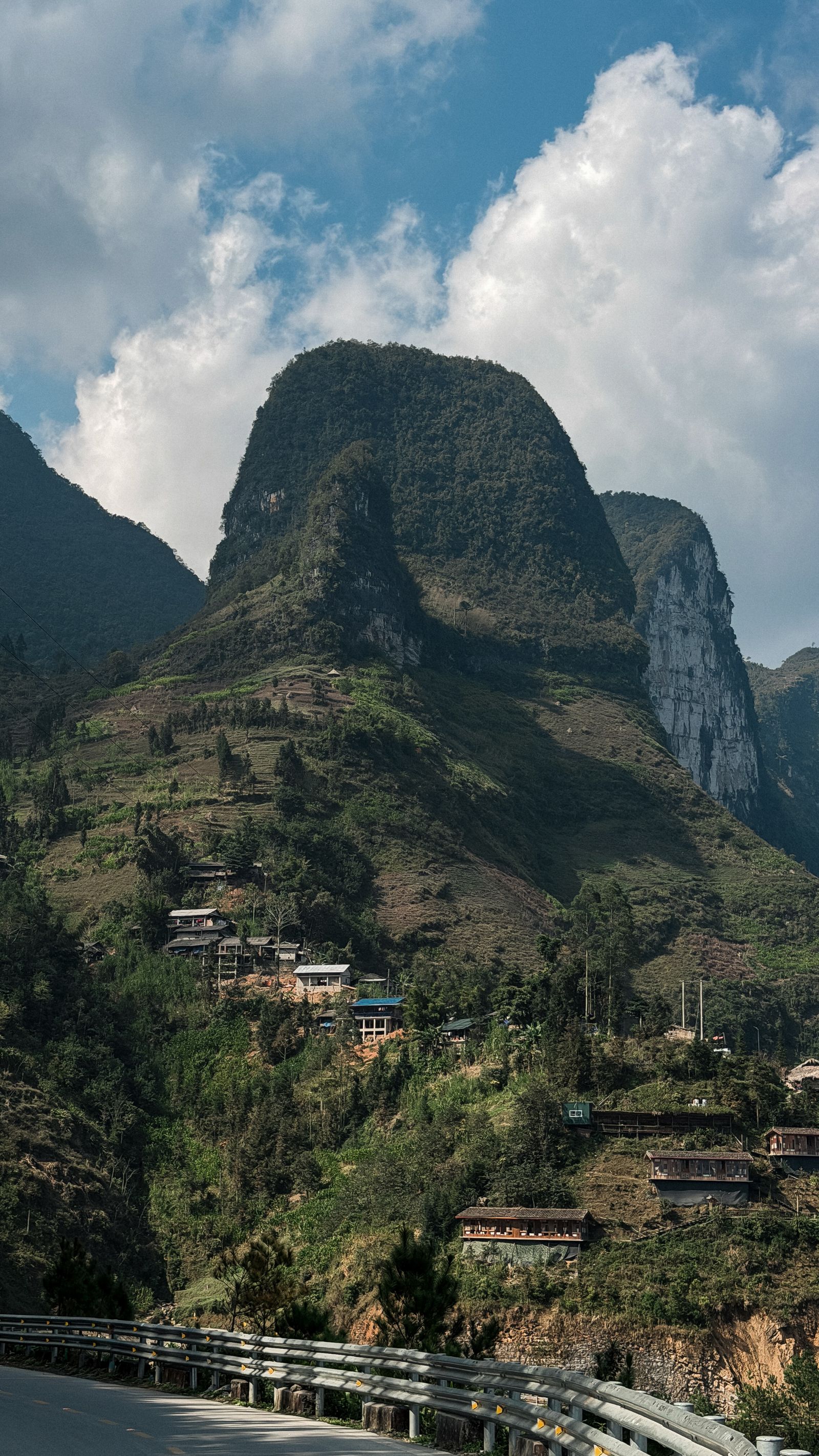
A rushed trip usually produces predictable photos. A slower journey produces photographs that feel personal.
That does not mean everyone needs a professional camera. Phone photos can be beautiful too. The point is not the gear. The point is noticing.
The Road Connects You to Local Life
One of the reasons the Ha Giang Loop feels different from a normal sightseeing route is that the road passes directly through local life.
It does not separate travelers from villages. It does not hide daily life behind a gate. The road passes homes, farms, schools, markets, tea shops, rice fields, corn fields, workshops, and family courtyards.
This means the road is not only scenic. It is social.
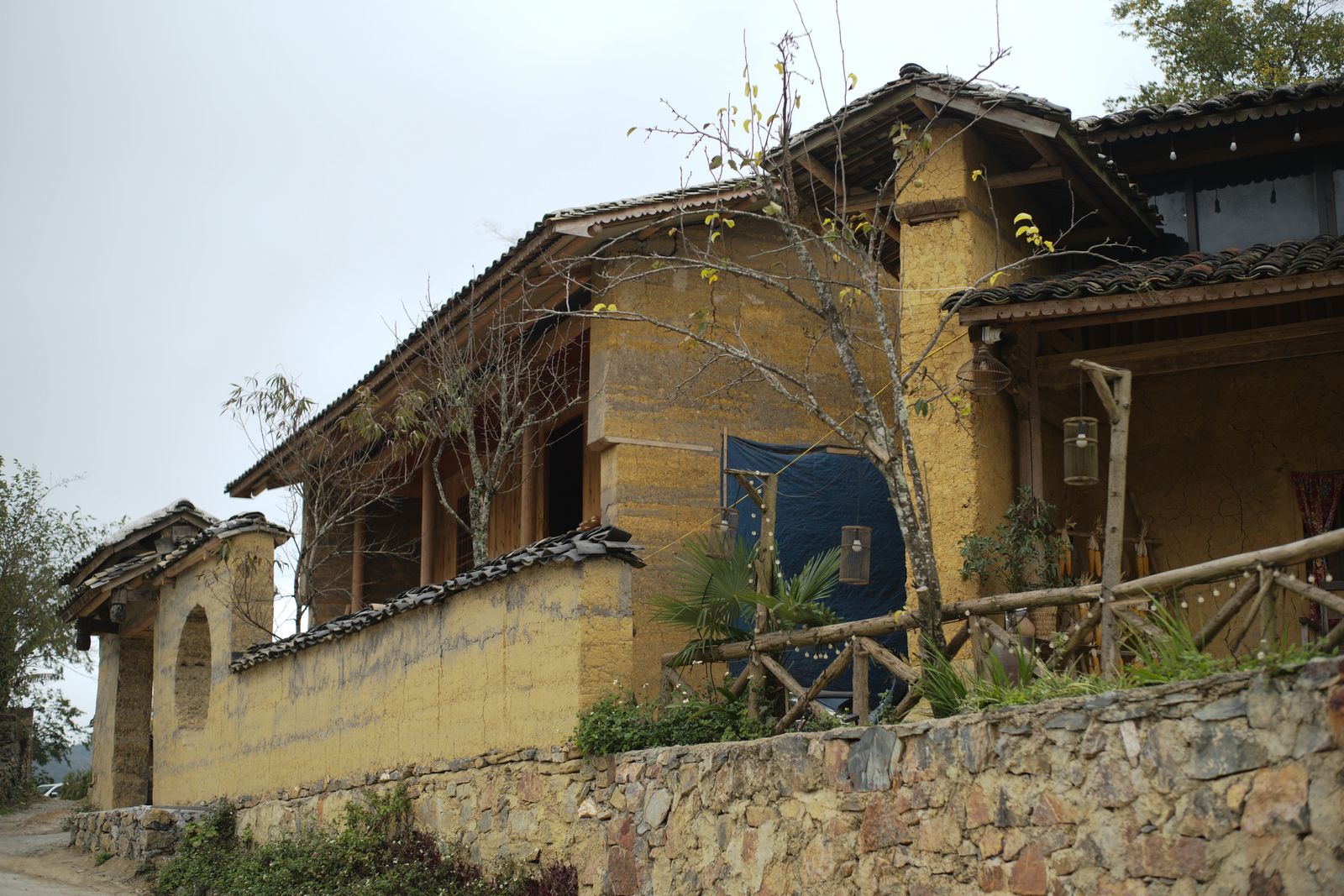
A good journey through Ha Giang should respect this. Villages are not props. People are not background decoration. The road belongs to local life first, and travelers are guests moving through it.
When you travel with this attitude, the loop becomes more meaningful. You do not just look at Ha Giang. You begin to understand that people live inside the beauty you are photographing.
That understanding changes the trip.
The Best Way to Experience the Ha Giang Loop
The best way to experience the Ha Giang Loop is not to chase a perfect list. It is to choose a pace that allows the journey to become memorable.
That means not rushing every stop. Not treating lunch as only fuel. Not pushing through bad weather just to stay on schedule. Not skipping villages because they are not famous enough. Not assuming the biggest viewpoint will be the only thing that matters.
It means allowing Ha Giang to work slowly.
Choose the right number of days
A 2-day loop can feel rushed. A 3-day loop gives more balance. A 4-day loop often gives more room for villages, photography, coffee stops, and changing weather.
Travel with people who know the road
Local guides and Easy Riders can help choose better stops, safer timing, realistic riding days, and meaningful places beyond the obvious viewpoints.
Leave space for surprise
Some of the best moments cannot be scheduled: fog, light, local markets, animals on the road, a conversation, or a quiet stop that becomes unforgettable.
Remember that arrival is not the goal
The overnight town matters, but the road to that town usually matters more. Do not spend the whole day thinking only about arrival.
The Ha Giang Loop is not something you simply finish. It is something you move through. That difference matters.
Final Thought: Ha Giang Is Not a Finish Line
Some places are built around a final view. You climb, queue, arrive, take the photo, and the experience has a clear center.
Ha Giang does not work like that.
There is no Eiffel Tower moment that explains everything. No single monument that contains the whole feeling of the trip. No final attraction that makes the rest of the road secondary.
Instead, Ha Giang gives you a road.
A road through mountains, villages, weather, coffee, curves, children, buffalo, fog, markets, meals, and moments you did not plan.
That road is not just how you reach the destination.
The road is the destination.
In Ha Giang, the journey matters more because the journey is where the place reveals itself. The longer you pay attention, the more you understand why travelers remember the loop not as one view, but as a feeling that builds from the first bend to the last.
If you come only to collect famous stops, Ha Giang will still be beautiful.
But if you come for the journey, Ha Giang becomes something much better than beautiful.
It becomes unforgettable.
Experience the Ha Giang Loop as a Journey
Ha Giang Loopers Tour is a licensed local tour operator in Ha Giang. Our trips focus on safe riding days, carefully selected stops, local guides, villages, food, culture, photography, and enough time to enjoy the road itself.
Explore Ha Giang Loop ToursBefore your trip, you can also read our Ha Giang Loop packing checklist to prepare for mountain weather, long riding days, local homestays, and life on the road.
Ha Giang Loopers Tour is a licensed local tour operator in Ha Giang, supporting the local community and helping travelers experience the loop in a slower, safer, and more meaningful way.


